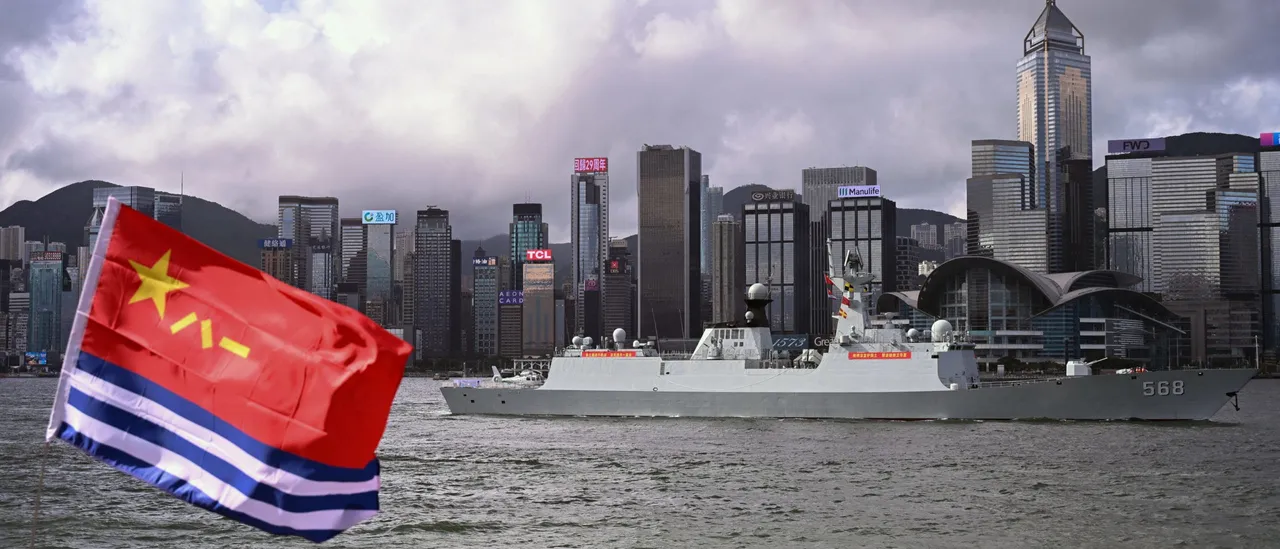
China Puts US Allies On Edge With Rare Missile Test In Pacific
China fired a submarine-launched ballistic missile into the Pacific Ocean on Monday, sparking concerns among longtime U.S. allies in the region.
Read more Jasmine Crockett Claims America Owes Black Women ‘Everything’
A Chinese military official called the test part of a routine “annual military training schedule,” but Australia and New Zealand expressed concern that China’s actions disturbed the peace in the Indo-Pacific region, CNN reported. It is not yet known what type of missile China used in the test.
“[A People’s Liberation Army Navy submarine] launched a strategic missile carrying a dummy warhead toward relevant high seas of the Pacific Ocean, which landed precisely within the designated waters,” Wang Xuemeng, spokesperson for the PLA Navy told CNN. “The operation was in accordance with international law and practice, targeting no specific country or objective.”
China’s navy has two types of submarine missiles: the JL-2 and the JL-3. The JL-3 can fly far enough from waters near China to reach the mainland United States, according to CSIS’ ChinaPower Project. (RELATED: Unusually High Number Of Chinese Navy Ships Hit Seas As US Remains Laser Focused On Iran)
The White House, Department of War, State Department and U.S. Pacific Command each did not immediately respond to the Daily Caller News Foundation’s request for comment.
“New Zealand considers this an unwelcome and concerning development. We, like our neighbors in other Pacific countries, have no interest in China using the South Pacific as a testing site for missile capability,” New Zealand’s Minister of Foreign Affairs, Winston Peters, said, according to CNN.
Peters said China informed New Zealand of its plans to launch the missile into the South Pacific Nuclear Free Zone early Monday morning, per the outlet.
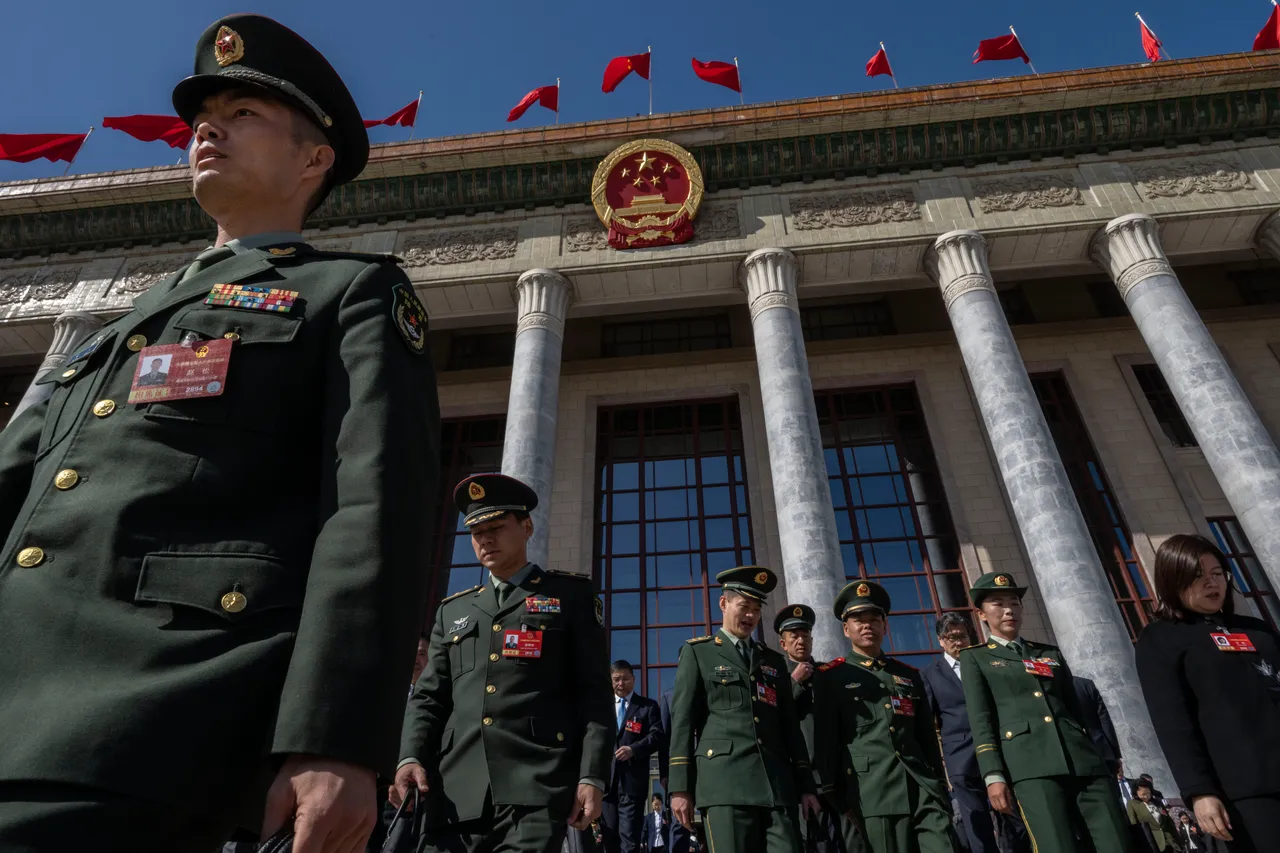
Members of the Chinese military leave after the second plenary session of the National People’s Congress at the Great Hall of the People on March 9, 2026 in Beijing, China. (Photo by Kevin Frayer/Getty Images)
Read more There’s A New Gold Rush Inside America’s Operating Rooms
The missile test is “destabilizing to the region” and must be viewed “in the context of a rapid military build-up by China,” Australian Foreign Minister Penny Wong said, according to CNN.
China sent nearly 80 PLA aircraft near Taiwan during the COMPUTEX Taipei conference between June 2 and June 5, leading to a naval standoff. The conference drew top names in chips and AI, which, according to the event’s exhibitor list, included Intel, Nvidia and SK Group.
“[Chinese President] Xi Jinping has assured President [Donald] Trump that China will not invade Taiwan, guaranteeing a free and open Indo-Pacific for the rest of the president’s term in office,” a senior White House official told the DCNF in June. Taiwan’s chip industry supplies “more than 90% of leading-edge chip manufacturing” in the world, according to the Department of Commerce. (RELATED: Iran Reportedly Turns To Communist China To Checkmate Trump)
U.S. intelligence officials suspected Beijing may have sent Iran shoulder-fired missiles in April, during the U.S.-Israel conflict with Iran. China buys about 90 percent of Iran’s oil exports, the U.S.-China Economic and Security Review Commission (USCC) in March.
China fired its first open-ocean ICBM test in over four decades when it fired a nuclear-capable DF-31B missile from Hainan Island into the Pacific near French Polynesia in September 2024, according to The Guardian.
All content created by the Daily Caller News Foundation, an independent and nonpartisan newswire service, is available without charge to any legitimate news publisher that can provide a large audience. All republished articles must include our logo, our reporter’s byline and their DCNF affiliation. For any questions about our guidelines or partnering with us, please contact [email protected].
Read more Planned Parenthood’s Money Spigot Turns On Again — With Congress Watching As Ban Expires













Post Comment