New Insider Trading Ban Barely Scratches The Surface As Congress Tries To Appease Americans
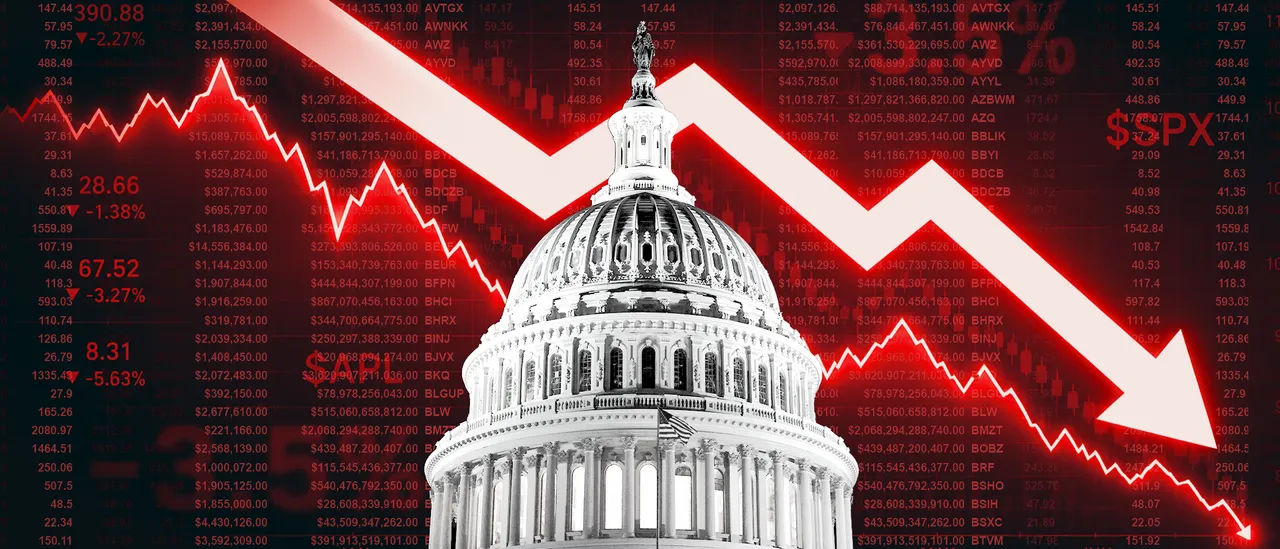
The new insider trading ban legislation passed by the House stops short of a comprehensive ban on an issue many Americans have expressed concern about.
Read more EXCLUSIVE: Rep. Rich McCormick Moves To Ban Birth Tourism Once And For All
The Stop Insider Trading Act, passed by the House on Wednesday with a vote of 232-198, had more than a dozen Democrats join Republicans in support. (RELATED: House GOP Must Hustle If They Want To Pass Long List Of Agenda Items Before August Recess)
Public support for banning members of Congress from trading individual stocks while in office has grown after years of scrutiny over lawmakers’ well-timed trades and soaring investment portfolios. However, the legislation advanced by the House falls well short of the sweeping ban sought by many advocates that would target selling stocks and limit federal officials more broadly.
Introduced by Republican Wisconsin Rep. Bryan Steil, the bill would prohibit members of Congress from purchasing individual stocks while in office but would allow them to keep stocks they already own. Lawmakers could also continue selling individual stocks, provided they publicly disclose their intent to sell at least seven days beforehand.
The measure would also sharply increase penalties for disclosure violations. Members who fail to properly report stock transactions could face fines of $2,000 or 10% of the transaction’s value, whichever is greater. That would be an increase from the current $200 penalty for a first offense, according to CNBC.
Congress previously passed the STOCK act in 2012, but its penalties are weak and enforcement is lacking, the outlet reported.
House Republicans also added a voter ID ahead of floor consideration, costing the bill support from some Democrats. The provision would require voters in federal elections to present a valid physical photo ID to receive a regular ballot, while those without acceptable identification could cast a provisional ballot that would only be counted if they submitted qualifying ID — or a religious objection affidavit — within three days.
Republican Kentucky Rep. Thomas Massie voted in favor of the bill but criticized his party over it in post on X. “Congress is not serious,” he wrote. (RELATED: ‘Wildly Unethical’: Trump’s Cronies Want To Enrich Wall Street By Selling Early Access To His Truth Social)
“We are voting on a stock trading ban for members of Congress… BUT Republicans added voter-ID in the legislation. Not to get Dems to vote for voter-ID, but to get them to vote against the stock trading ban, so they can use it in the Nov. election,” Massie alleged.
Democrats also criticized both the substance of the legislation and House Republicans’ decision to attach election integrity language to the bill.
Read more Lauren Boebert Reveals Why She Missed Big NDAA Vote
Rep. Marie Gluesenkamp Perez of Washington said in a post Tuesday on X that although she voted in favor of the legislation, she opposed the GOP’s decision to add the voter ID provision.
“House Republicans took a broadly nonpartisan issue and inserted politics—provisions from the Save America Act. I’ve voted against these voter ID provisions repeatedly and Senate Republicans have made clear this has no path in the Senate,” she wrote.(RELATED: House Passes Reconciliation 3.0 And Insider Trading Ban, Sends GOP Priorities To Senate)
Rep. Joseph Morelle of New York labeled the voter ID provision a “poison pill,” Politico reported. “Republicans have corrupted their so-called stock trading bill with a decaying piece of the SAVE America Act corpse,” he said.
Rep. Jim McGovern of Massachusetts, who voted against the legislation, argued it falls well short of a meaningful congressional stock trading ban. In a scathing post Tuesday on X, McGovern wrote, “Correcting the Record: your shitty, watered-down bill is a band-aid on a bullet hole. It does NOT ban stock trading. It bans Members of Congress from BUYING stocks but not SELLING them. Nice loophole.”
McGovern argued the measure amounts to little more than political theater, arguing it fails to prevent White House officials from profiting off insider information.
.CNBC’s SquakBox asked Republican Nebraska Sen. Pete Ricketts, who introducted the legislation in the Senate, about people arguing the legislation doesn’t go far enough. “What we want to do is make sure we’re not locking out people who come from a successful business. We don’t want to keep a successful business person from coming to Congress,” he said.
A 2023 University of Maryland Program for Public Consultation poll found overwhelming bipartisan support for banning congressional stock trading, with 86% of Americans — including 87% of Republicans, 88% of Democrats, and 81% of independents — backing the measure. The poll also found that 87% of Americans back banning the president, vice president and U.S. Supreme Court justices from such trades.
The legislation now heads to the Senate, where it remains unclear whether Republicans will attempt to preserve the voter ID provision or strip the language before a final vote. Democrats have signaled opposition to the election integrity measure, raising questions about whether the provision can survive in the upper chamber.
The debate mirrors a similar fight over House Speaker Mike Johnson’s roughly $95 billion reconciliation framework, which included provisions tied to the SAVE America Act. The framework was passed Wednesday.
Read more Fifth Circuit Rules Illegal Aliens Do Not Have Constitutional Right To Roam Free In US













Post Comment