
Your Medical Bills Likely More Than They Should Be As Experts Sound Alarm On Secret Tactic
Experts tell the Daily Caller that an under-the-radar health care scheme may allow insurers to profit from a false sense of savings while leaving employers with the bill for medical care.
Read more FDA Panel Approves Several ‘Biohacking’ Drugs Amid Growing Social Media Demand
In January, the heads of the nation’s five largest health insurance companies testified before the House on lowering health care costs. What stood out, however, was what was not discussed: a health care payment structure that has only recently begun drawing attention through public advocacy campaigns and under-the-radar lawsuits. (RELATED: GOP Senators Urge Trump Admin To Probe Improper Healthcare Billing Practices)
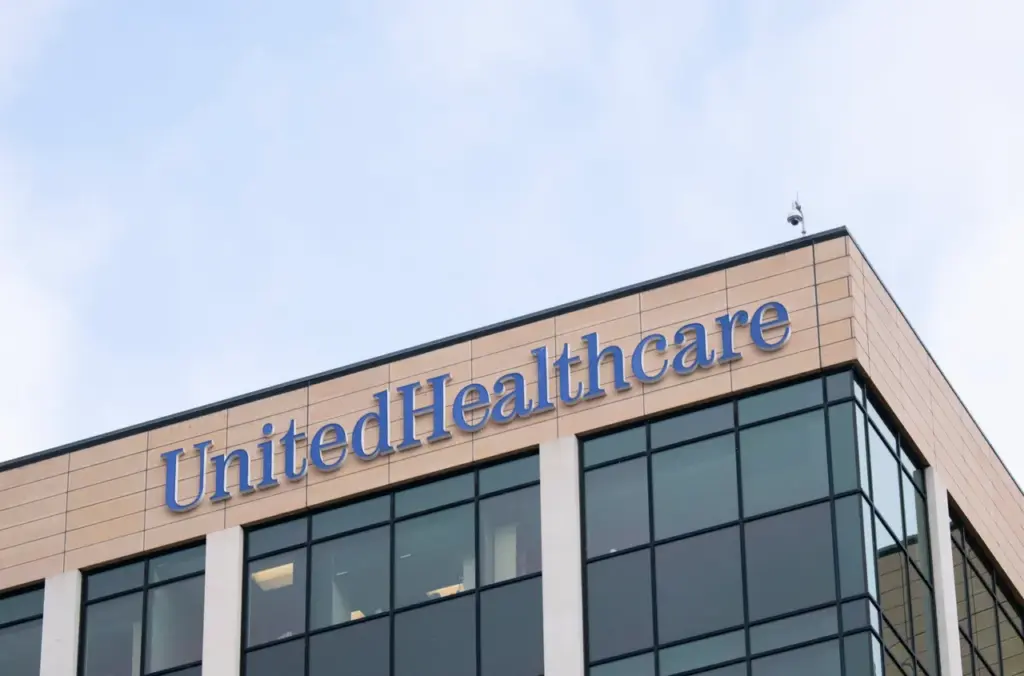
The arrangement primarily involves self-insured employers — companies that pay their employees’ medical claims directly but contract with insurers, such as UnitedHealthcare (UHC) or Cigna, to administer the plans.
These insurers, in turn, market what they call a “shared savings program” to employers as a way to “reduce excessive billing and protect you and your family members,” according to an of UHC’s program provided to employees of Nokia.
The explainer states that UHC reviews out-of-network claims and, following negotiations, recommends reduced payments.
Industry analysis cited by the American College of Radiology (ACR) argues the system — enabled in part by the federal No Surprises Act — creates a structure in which insurers can present cost savings while profiting from how payments are processed.
ACR reports that insurers may steer providers out of network, where initial billed charges rise to non-discounted “chargemaster” rates. Once prices increase substantially, insurers then negotiate reductions and pay a portion of the bill using employer-funded plan dollars, leaving employers responsible for the remaining balance.
ACR further states that insurers often charge the employer’s health plan a fee, frequently tied to a percentage of the difference between billed and paid amounts, presented as “savings.”
According to the group, that can create hidden costs that are ultimately passed down to employees through higher premiums and reduced benefits.
The New York Times has also reported that such arrangements can create incentives for insurers to reduce payments in order to increase so-called savings fees. Because most Americans receive insurance through self-funded employer plans, patients may face significant medical bills, sometimes ranging from thousands to hundreds of thousands of dollars, the Times reported, noting that UnitedHealthcare has averaged roughly $1 billion annually in related revenue in recent years.
If the structure is difficult to follow, critics say that is part of the design.
Virginia Attorney General Jerry Kilgore told the Daily Caller in a statement that he has concerns about “shared savings” arrangements, saying there are indications that, in some cases, plan practices may push providers out of network, reimburse them at lower rates, and then treat the difference as savings that can be billed back to employers and employees.
Americans for Fair Health Care has similarly argued that such arrangements inflate costs for workers while allowing insurers to “reap billions of dollars in additional profit by pushing providers out of network, slashing reimbursement for their services, and claiming fictitious discounts.”
The group said the practice “drives up costs for employers, raises out-of-pocket expenses for employees, limits access to care, and undermines fair payment for medical care, disproportionately harming vulnerable communities.”
It has also the arrangement as undermining the intent of the No Surprises Act, which, according to the U.S. Department of Labor, was designed to “provide protections against these surprise bills and to reduce health care costs.”
Read more Four Men With Somali Names Plead Guilty To Bilking Medicaid Under Company Called ‘Brilliant Minds’
Instead, loopholes within the No Surprises Act, it argues, became the breeding grounds for schemes that would cripple the American taxpayer and undo the cost-saving efforts the bill had been designed to protect.
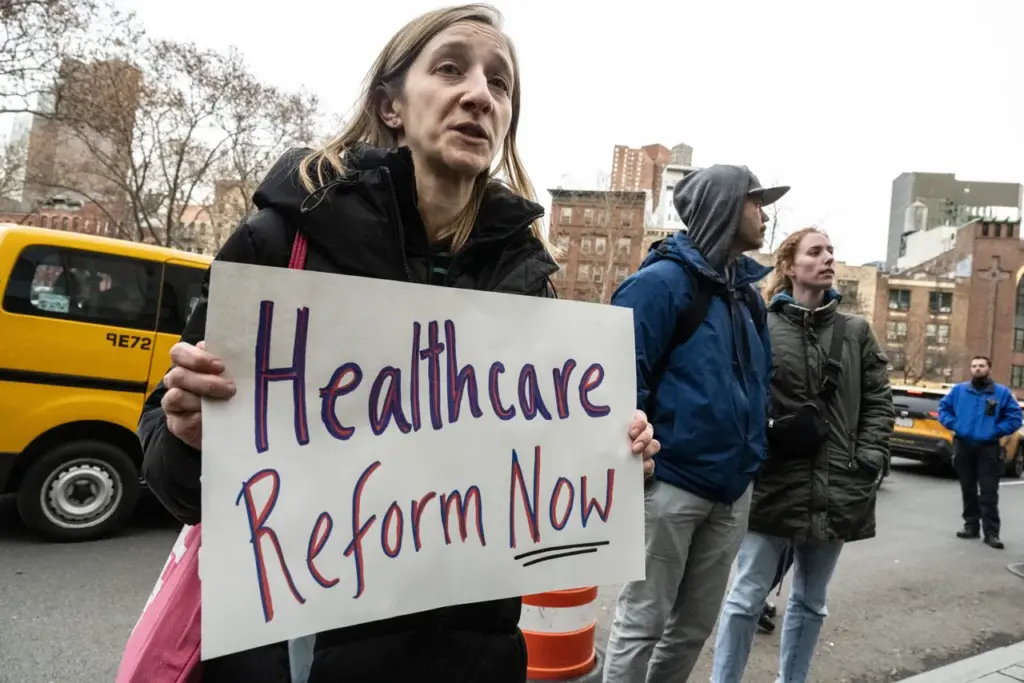
While actions by the Trump administration to target opaque middleman fees are being taken — like the proposed transparency regulation forcing pharmacy benefit managers to expose hidden “indirect compensation” and fee streams to employer health plans — Kilgore told the Caller that states have “consumer protection laws that prohibit deceptive and unfair business practices.”
In one case highlighting these disputes, Michigan boat manufacturer Tiara Yachts is engaged in litigation that has brought attention to an alleged offshoot of the system known as “Flip Logic.”
Attorneys representing the company, Varnum LLP, told the Caller that automated systems used by Blue Cross Blue Shield of Michigan allowed certain claims to be paid automatically using employer funds, which were later subject to additional fees to correct alleged errors under a shared savings framework.
The attorneys said the arrangement creates a conflict of interest in which insurers are incentivized to pay claims quickly using employer funds.
“It’s easier to just pay the claim with somebody else’s money and save yourself the effort,” the attorneys said.
“So they’re essentially getting paid twice,” Varnum said. “They get paid the first time to administer the claims, and if they do a bad job, they can make more money by fixing their mistakes and charging an additional fee for correcting them.”
However, as the Trump administration proposes transparency measures affecting pharmacy benefit managers and seeks to require disclosure of indirect compensation and fee arrangements tied to employer health plans, federal administrators have also updated the No Surprises Act to minimize, but not completely end, the damages of the shared savings scheme.
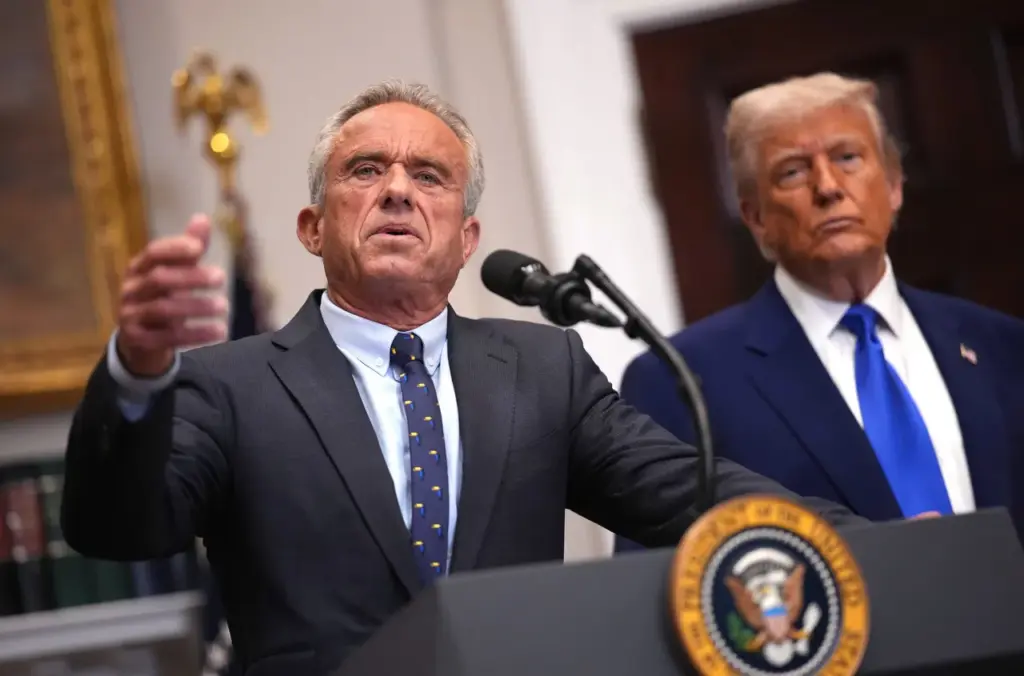
A joint May 28 action from the departments of Health and Human Services, Labor and Treasury outlines changes that make it significantly easier for healthcare providers to fight back against underpayments from insurance companies, according to Solutions Law Press.
First, the change slashes federal arbitration administrative costs for providers from $115 down to $15 and allows for more flexible “batching” of multiple related claims at once. Previously, healthcare providers routinely swallowed the losses on disputed claims in the lower hundreds of dollars, as paying a $115 fee to argue over a $200 underpayment made no economic sense. Under the new rule, they can bundle these similar claims together into a single dispute for just the $15 fee — granting independent providers the tools to claw back the systemic underpayments that fuel the shared savings scheme.
Additionally, Kilgore said that states could take action, telling the Caller that “at a time when families and businesses are already facing rising health care costs, if I were serving as attorney general, I would seriously consider asking my consumer protection staff to take a hard look at whether these arrangements may be misleading employers and employees or contributing to higher overall costs.”
These discussions on health care are at a particularly fraught time as fans of Luigi Mangione were given press passes in May while defending the assassination of UHC CEO Brian Thompson. They made remarks like “his children are better off without him,” “they need to learn to not be like their dad,” and “enjoy the blood money, kids.” (RELATED: Obamacare Enrollment Fraud May Cost Taxpayers Billions In 2026, New Study Shows)
Cigna and HealthCareUnited did not respond to the Daily Caller’s requests for comment.
Read more Pentagon Blames Glitch After Iran War Death Toll Drops By Four












Post Comment