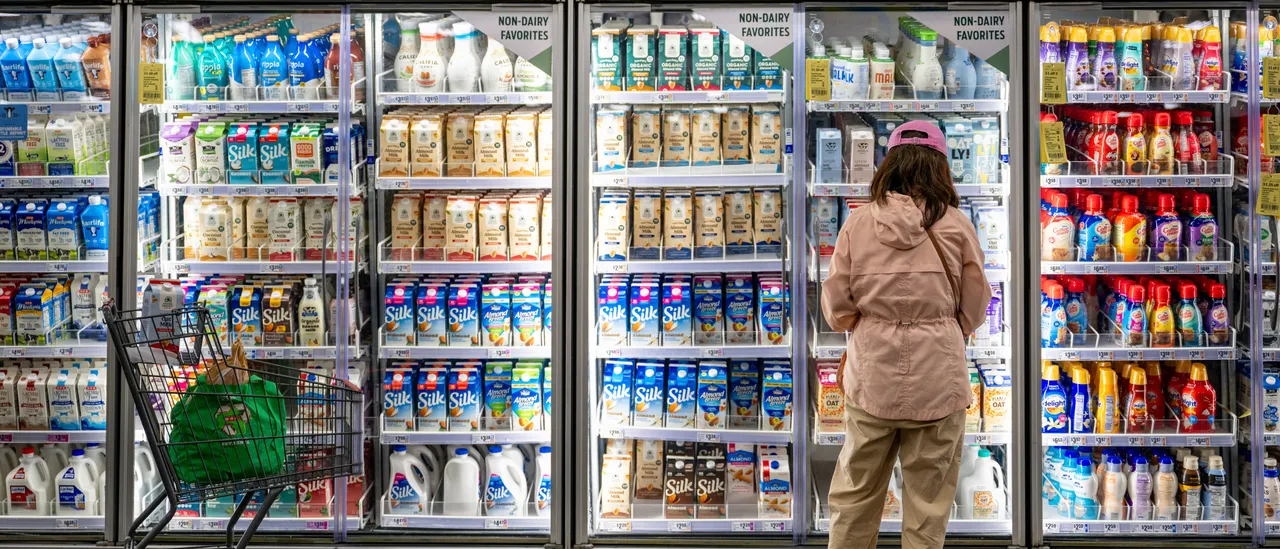
Debtor Nation: More Americans Going Into Debt Just To Buy Food
A new survey finds that nearly two-thirds of working-age adults use credit to purchase their groceries, with many finding it increasingly difficult to pay it off.
Read more Fox News Called Out By Former Employees For Covid Hypocrisy
The survey, published by the Urban Institute in mid-July, was conducted in December and found that low-income families are the most affected by a perceived increase in grocery costs, making the exchange of debt for food appear to be their only option. (RELATED: The Real Reasons Democrats Are Revolting And Why Conservatism Inc. Needs To Wake Up)
The institute found that 34.9 percent of working-age adults, defined as those between the ages of 18 and 64, used a credit card to pay for their groceries but reported that they would pay the bill back in full. Another 19.6 percent reported they were capable of only making the minimum payment on the debt they incurred, while another 8.7 percent reported not always being able to make the minimum payment.
“There is a substantial portion of people all around us who are having trouble being able to afford groceries and meet their basic needs,” Kassandra Martinchek, one of the report’s authors and a senior research associate at the Urban Institute, told The Washington Post.
The survey also determined that nearly 10 percent of working-age adults use Buy Now, Pay Later options to purchase groceries, with more than one-third having missed a payment.
Another 19.6 percent of those questioned said they had pulled money from their long-term savings to pay for groceries. A smaller portion, 5 percent, used cash from a payday loan to purchase essentials.
Martinchek said that pulling from such funds to create new avenues of debt only makes it harder for individuals to become financially independent in the future.
Read more Disloyal Careerists Are Still Haunting The Pentagon’s Halls
“This can have a long tail, especially if folks continue to not make minimum payments in ways that undermine their long-term creditworthiness,” the researcher said.
These realities seem to be affecting low-income families the most, with more than half of low- and moderate-income households using debt to buy groceries and not always being able to make their payments, compared with one-third of higher-income adults who are not always able to pay the full balance.
These numbers appear to be increasing, with 1.6 percent more people unable to make all their minimum payments than in 2023.
The survey says that just over half of working-age adults reported that grocery costs had increased a significant amount in 2025.
The Bureau of Labor Statistics reports that between June 2025 and June 2026, the price of food at home increased by 2.7 percent, with fruits and vegetables seeing the largest increase, at 5.3 percent. (RELATED: Your Medical Bills Likely More Than They Should Be As Experts Sound Alarm On Secret Tactic)
The institute concluded that although these borrowing options can provide a lifeline to struggling families, relying on them may lead to a financial situation that is difficult to recover from after periods of particular financial instability.
Read more Trump AG Nominee’s Confirmation In Limbo














Post Comment