’100% Avocado Oil’ Products Might Not Be As Pure As Companies Advertise, Study Finds
A recent University of California, Davis study found that a range of processed food products labeled as containing pure avocado oil as an ingredient, such as chips, mayonnaise and salad dressing, failed authenticity testing.
Read more Democratic US Senate Nominee Abdul El-Sayed Claims ‘Toxic Masculinity’ At Heart Of Football
Researchers bought and tested products in California stores and from online retailers between 2025 and 2026, extracting and testing the avocado oil for its authenticity. They found that 93% of chips, 71% of mayonnaises and 100% of salad dressings contained other oils, according to the study. In contrast, the researchers found that only 1 out of 20 olive oil-labeled processed foods failed their purity test. (RELATED: Big Food Is Creating Fake Health Groups to Confuse Consumers)
“By extracting lipids from chips, mayonnaise, and salad dressings and assessing fatty acid and sterol profiles against established compositional reference ranges, we identified substantial differences between labeled oil claims and measured oil composition, particularly among avocado oil–labeled products,” they wrote, while noting that the study is limited by geographic scope and sample size.
“Products were evaluated at a single time point; results reflect only the two specific lots analyzed and are not intended to represent ongoing manufacturing practices or lot-to-lot variability.”
Selina Wang, the study’s lead author and a professor of cooperative extension in the UC Davis Department of Food Science and Technology, said that the problem may originate deep in the supply chain from third-party suppliers.
“When companies rely on a certificate of analysis from their oil supplier rather than independently verifying every batch they receive, they’re at risk of putting something that isn’t 100% authentic into their products,” Wang told the Daily Caller.
Wang added that “oils being used to blend into ‘avocado oil’ are quite a bit cheaper than authentic avocado oil.”
The UC Davis study noted that consumers are paying a premium for the products, which are marketed as healthier alternatives to cheaper seed oils. Avocado oil has grown in popularity in recent years because it has a high smoke point, making it ideal for cooking, and has a higher content of healthy, monounsaturated fats compared to seed oils.
“The specific oil used in possible blending and its percentage was outside the scope of this particular study, but in our previous studies, we’ve found high-oleic seed oils are common adulterants,” Wang told the Caller. “High-oleic sunflower oil and safflower oil have high oleic acid content and can have fatty acid profiles that resemble avocado oil. This is why we also include other analyses, such as sterol profiles, to verify authenticity in our studies.”
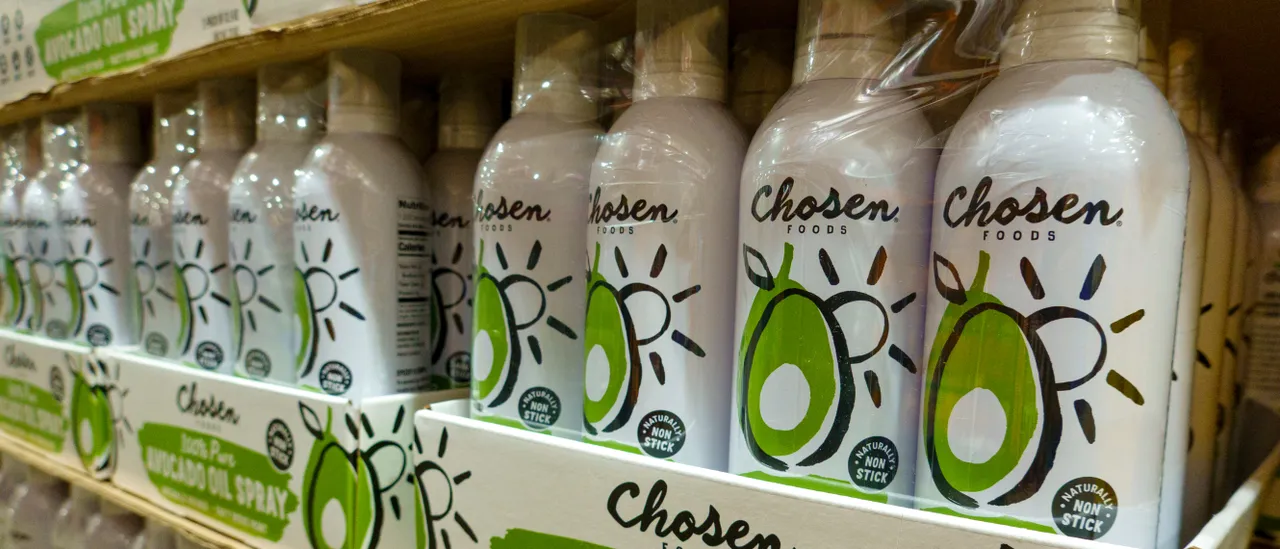
The test included products from Chosen Foods and Primal Kitchen, two brands that heavily market avocado-oil purity, according to Edible Aria. Chosen Foods has product packages claiming “100% Pure Avocado Oil.” All of their products failed the test, according to the study’s authors.
Read more Nearly One-In-Six Americans Have Acted On AI Medical Advice Without Speaking To Human, Poll Shows
Dan Stangler, president at Primal Kitchen, told the Daily Caller in a statement that the company has high standards.
“We maintain rigorous quality standards, including requiring certificates of analysis for every batch and ongoing testing from our suppliers to verify the purity and quality of our avocado oil,” he said. “Primal Kitchen uses pure avocado oil in our products and does not blend with other seed oils.
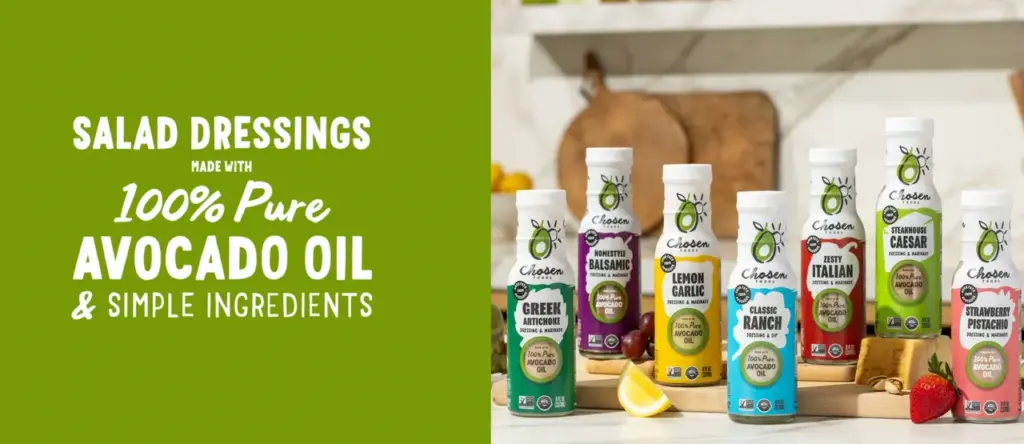
Chosen Foods is primarily owned by Butterfly Equity, a private equity company based in Los Angeles. Primal Kitchen was purchased by Big Food behemoth Kraft Heinz in 2019.
The introduction or delivery of misbranded food into interstate commerce is prohibited under the Federal Food, Drug, and Cosmetic Act, which defines a food as misbranded if its labeling is false or misleading in any particular.
The Food and Drug Administration (FDA) can issue warning letters, seek recalls, seize products, obtain injunctions, or pursue civil penalties to enforce the law. Criminal penalties, including fines and imprisonment, could also apply to intentional and repeated violations.
But right now, Wang told the Caller, “there’s no FDA standard of identity for avocado oil, so there isn’t a clearly defined legal target to enforce against.”
The FDA has not announced any public enforcement actions in connection with the study. The agency declined to comment for this story.
“Consumers trust the quality and ingredients of Primal Kitchen products and we take that responsibility seriously,” said Stangler.
Kraft Heinz did not respond to further questions on whether the company disputes the study’s findings, and, if not, whether the company would consider changing its testing process.
Read more Suge Knight Drops New Information Ahead Of Tupac Shakur Murder Trial














Post Comment