Trump Admin Scraps Corporate Ownership Rule, Making It Harder To Track Dirty Money
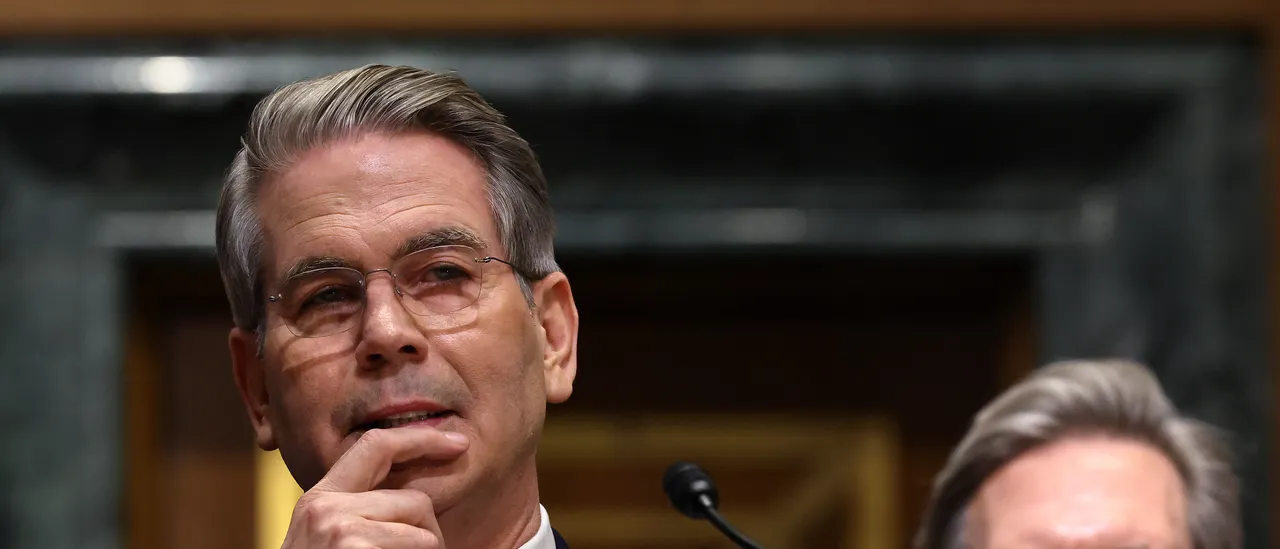
The Treasury Department finalized a rule on Tuesday eliminating a key federal requirement for U.S. companies to disclose who ultimately owns them, making it harder for the government to trace money flowing through anonymous shell companies.
Read more Arrest Made In Defacing Of World War II Memorial
The move rolls back a major piece of the Corporate Transparency Act, a bipartisan law enacted during President Donald Trump’s first term to give law enforcement more information about the people behind opaque business structures. Treasury Secretary Scott Bessent said the requirement imposed unnecessary costs and red tape on millions of small-business owners without providing enough benefit.(RELATED: Trump And Scott Bessent Singing Different Tune On Tariff Rebate Checks)
“President Trump promised to cut red tape, and this final rule delivers,” Bessent said in a statement Tuesday.
The National Federation of Independent Business supported the change, arguing that the reporting rules created unnecessary compliance costs for legitimate businesses.
But lawmakers who backed the Corporate Transparency Act said the database was designed to help investigators uncover crimes that were difficult to detect through traditional means. Republican Iowa Sen. Chuck Grassley and Democratic Rhode Island Sen. Sheldon Whitehouse said Treasury’s decision “undermines the clear intent of the law,” arguing that the database helped investigators track human trafficking, terrorist financing, drug distribution and sanctions evasion.
The law required certain companies to report their beneficial owners to the Financial Crimes Enforcement Network, or FinCEN. The database had accumulated about 16.4 million reports as of March, to the Government Accountability Office.
Read more British Cyclist Finlay Tarling Dead At 19 After ‘Serious Accident’ During Portugal Race
Under the new rule, U.S.-created companies and U.S. persons would generally be exempt, while foreign companies operating in the U.S. would remain subject to reporting requirements. Treasury also said FinCEN will remove previously submitted information it reasonably believes belongs to a “U.S. person.”
Anti-corruption advocates warn the rollback could make the U.S. more attractive to criminals seeking to hide money through anonymous companies. “One of the most lucrative and safe places to do that is the United States,” Julie Brinn Siegel, a former Treasury official, told Axios.
Treasury maintains that FinCEN has other tools to combat illicit finance and that enforcement should focus on actual criminal threats rather than broad requirements imposed on legitimate businesses.
The debate reflects a broader fight over transparency: The administration says less reporting means less bureaucracy, while critics argue that less information can make fraud, corruption and illicit financial activity harder to detect.
Read more Democrat Climate Activists Follow Their ‘Yoda’ Willie Nelson Into War On Data Centers













Post Comment