How Two Proactive Moves By Police, Prosecutors Cracked A 30-Year-Old Rape Case
A discarded DNA sample and a two-decade-old legal maneuver finally caught up with the man accused of raping a Brooklyn woman at gunpoint in 1995.
Read more GOP Snake Rears Its Ugly Head Offering 2028 Preview Of Battle Against MAGA
Brooklyn District Attorney Eric Gonzalez announced Friday that William Stephens, 54, of the Bronx, faces charges of first-degree rape, sexual abuse, robbery and assault, according to a statement from his office. A judge arraigned Stephens and set bail at $250,000, with his next court appearance scheduled for Oct. 30. He could serve up to 25 years if convicted.
The attack happened on the evening of Aug. 2, 1995, the DA’s office said. A gunman approached a 36-year-old woman inside her mother’s Bedford-Stuyvesant apartment building, forced her up to the sixth-floor rooftop at gunpoint, raped her and took her jewelry before fleeing. The victim reported the assault right away, and a hospital collected a rape kit that produced a genetic profile with no database match. (RELATED: Illegal Alien Arrested After Mother Found Stabbed To Death On Popular DC-Area Trail)
That profile might have expired under New York’s statute of limitations, but prosecutors blocked that outcome in June 2005 by indicting the unknown attacker as a “John Doe,” identified only by his DNA. The tactic stops the clock on the filing deadline, letting authorities charge a suspect whenever a name surfaces, according to FindLaw.
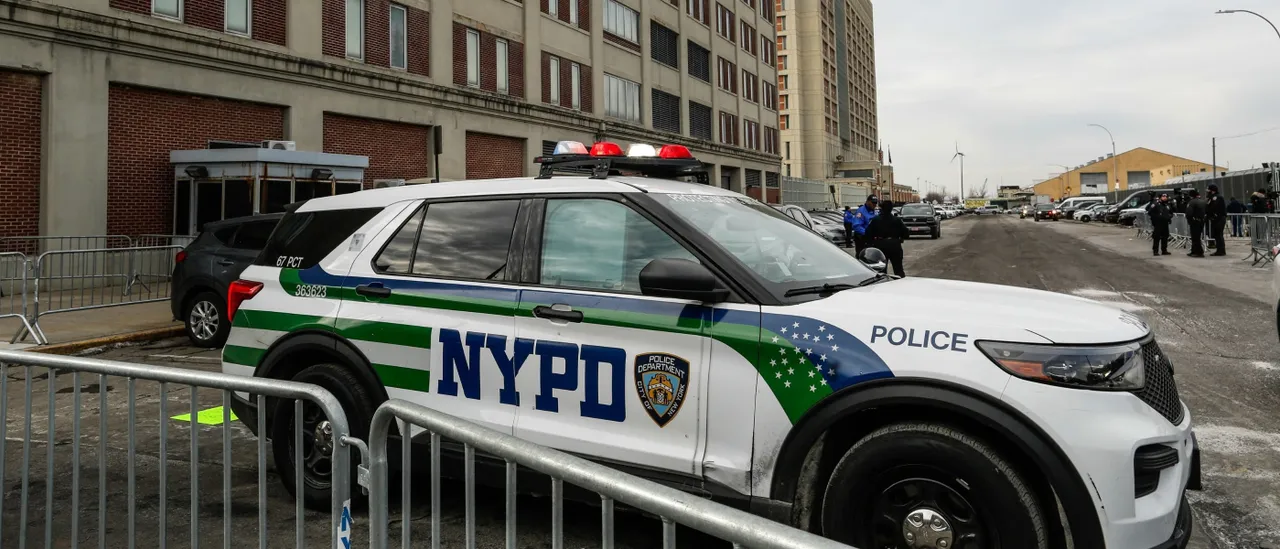
A name finally surfaced this summer when investigators reexamining old profiles through familial DNA identified a person of interest, the DA’s office said. Detectives from the NYPD Special Victims Division’s DNA Cold Case Squad and Investigative Genetic Genealogy Squad ran the case, police sources told the New York Post.
Read more High School Girls Get Rocked By 52-Year-Old MLB Legend
A missed court date on an open-container charge handed detectives their opening, a judge issued a bench warrant, and investigators took Stephens into custody in July, according to the same sources. Officers quietly gathered a genetic trace he left behind, which prosecutors called an “abandonment sample,” and confirmed it matched the 1995 evidence.
The DA’s office also found that Stephens’ mother and other relatives lived in the building at the time of the attack.
“We will continue to use every available tool to investigate and prosecute every crime committed in Brooklyn, no matter how long it takes,” Gonzalez said in the statement.
Read more Truckers Don’t Stick Around For Long With Employers. Here’s Why.
An indictment is not proof of guilt.













Post Comment