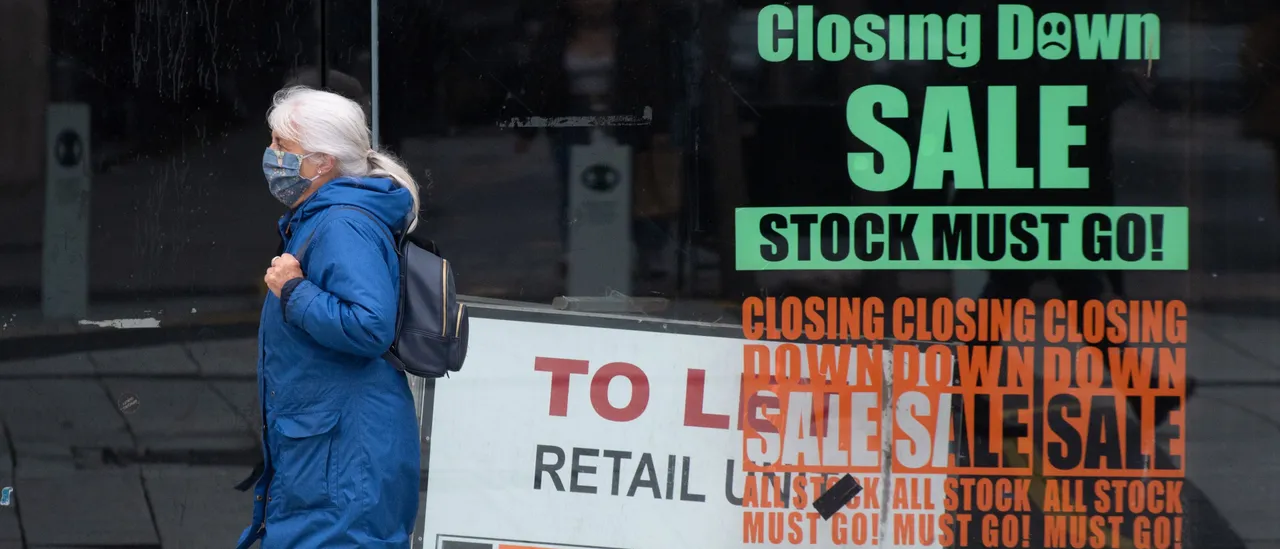
Survey Of Nation’s Mayors Details Impacts Of Affordability Crisis On Main Street
A newly released report details how many mayors across the nation are facing difficulties decreasing the costs of living affecting Main Street.
Read more Ukraine Launches 1,000 Drones At Russia, Hits Oil Refinery, Residential Building
Ninety-two percent of mayors — representing approximately 34.1 million Americans in 113 cities across 39 states and Puerto Rico — surveyed said the cost of living increased in their respective city since 2025, according to a the United States Conference of Mayors (USCM) published Friday. (RELATED: It’s Harder For Zoomers To Afford These Five Mainstays Of Life That Boomers Could When They Were Their Age)
The USCM, a nonpartisan organization for cities with populations of at least 30,000, did not immediately respond to the Daily Caller News Foundation’s request for comment.
Notably, 95.5% of respondents stated their major affordability concerns included housing; 55.4% cited groceries, and 40.2% stated utilities.
Many mayors also referenced local government taking actionsl to address the crisis.
“We offer rental assistance to those who qualify who may be experiencing homelessness or financial hardship,” Greensboro, North Carolina Mayor Marikay Abuzuaiter stated in the report. “We have the Housing GSO plan that is organized around four goals: affordable rental housing, neighborhood investment, home ownership opportunity, and supportive housing. We are in the process of seeking public private partnerships to support this program.”
Read more Why Europe Losing Saudi Oil Could Become America’s Problem
Abuzuaiter also stated that Greensboro’s city council approved more than $8.1 million in funds for six “affordable multifamily developments.”
“The message I hear is people are working harder than ever but many feel that the basic cost of living is moving faster than they can keep up,” Fitchburg, Massachusetts Mayor Sam Squailia stated in the report. “To address the affordability crisis, Fitchburg’s Community Electricity Aggregation program gives residents and businesses access to a competitively procured electricity supply option rather than relying solely on the utility’s Basic Service rate. This has provided residents with greater price stability and, during periods when utility supply rates have risen substantially, has produced direct savings on monthly electric bills. We are also aggressively supporting housing production and the reuse of underutilized buildings.”
Local programs, however, may not be enough, according to the survey’s findings.
Eighty-two percent of the responding mayors said they needed more resources or fewer regulations to address housing. Additionally, 56.3% said ending the Iran War would help address the affordability crisis by lowering gas prices.
The national average price of diesel reached an all-time high of $6.23 per gallon Tuesday, according to AAA.
Read more Nvidia CEO Jensen Huang Dismisses ‘Doomsday Narratives’ Surrounding AI Development
USCM fielded the survey between Aug. 18 and Sept. 4.












Post Comment