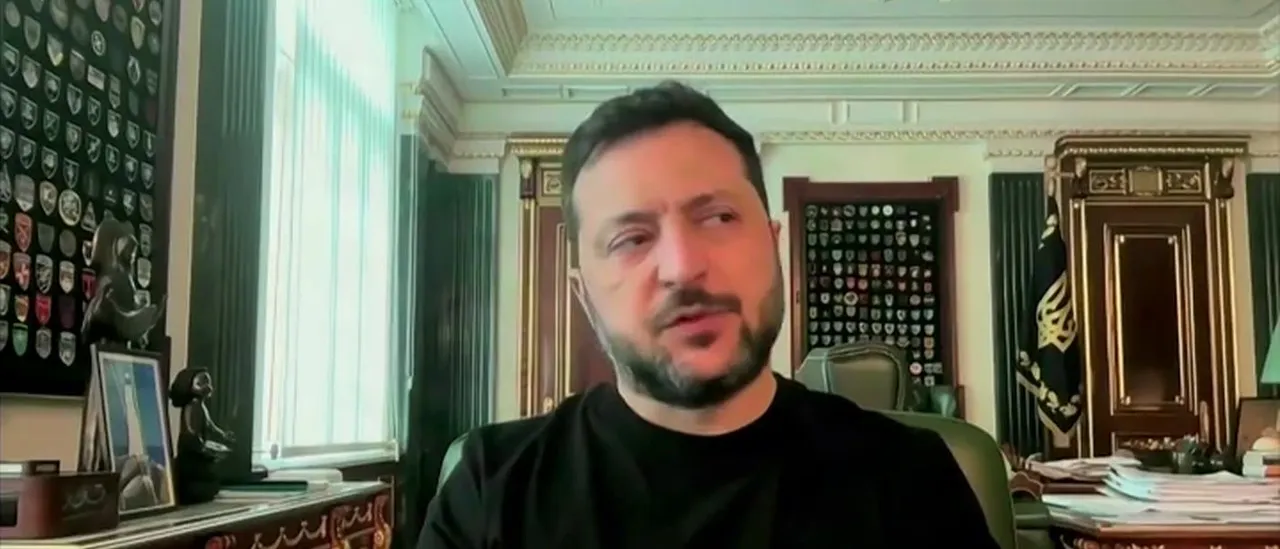
Zelenskyy Warns Trump’s Diesel Deal With Russia Is ‘Very Dangerous’
Ukrainian President Volodymyr Zelenskyy said Sunday that President Donald Trump’s Oct. 9 diesel deal with Russia “is very dangerous.”
Read more GOP Lawmaker Calls For Investigation After Rubio Says Ukraine’s Starlink Slowdown ‘Sort Of Happened’
“What are the implications of President Trump waiving sanctions for Russia? What’s the impact?” “Meet the Press” host Welker asked during the NBC News interview.
“Strengthening Putin’s war against us because he feels success,” Zelenskyy said, adding that Putin has not had any success on the battlefield, especially in 2026. (RELATED: Trump’s Diesel Deal With Putin Runs Into The Ban Congress Passed On Russian Energy)
“He feels victory with sanctions,” the Ukrainian president added, characterizing Trump’s easing of them as “really big support for Putin.”
WATCH:
Zelenskyy also said the diesel deal would not have a real effect on prices in the U.S., which he tied to the blocking of the Strait of Hormuz.
“And we’re afraid that the question of Russian gas will be raised, and also the question of frozen assets,” he noted. “And that’s why we say that it’s ‘very dangerous.’ This diesel deal is very dangerous. It doesn’t have influence— the real influence on the price in the United States.”
Read more Def Leppard, Goo Goo Dolls Announce Epic Tour
Later in the program, however, Treasury Secretary Scott Bessent pushed back on Zelenskyy’s remarks, telling Welker that “no sanctions were lifted on Friday,” and that the only thing lifted was the embargo on Russian diesel.
The Treasury secretary also claimed the Ukrainian president “does not criticize his European partners.” “The Europeans are financing the Russian war machine,” Bessent said. (RELATED: Ukraine Restarts The Refinery Strikes Trump Blames For High Diesel Prices)
Trump signed an executive order Friday waiving the Russian sanctions and tariffs required under the Lindsey O. Graham Sanctioning Russia and Iran Act of 2026, which he signed into law Sept. 18.
The law — named for the late Republican South Carolina Sen. Lindsey Graham, a foreign policy hawk who died July 11 — requires the president to put tariffs of up to 100% on goods from the five biggest buyers of Russian oil and gas, and up to 500% on Russian imports. The Senate passed the bill 86-11 on Aug. 7, before the House voted Sept. 16 on final passage, 262-159.
Read more Former ESPN Producer Says She Resigned Over Sports Gambling








Post Comment