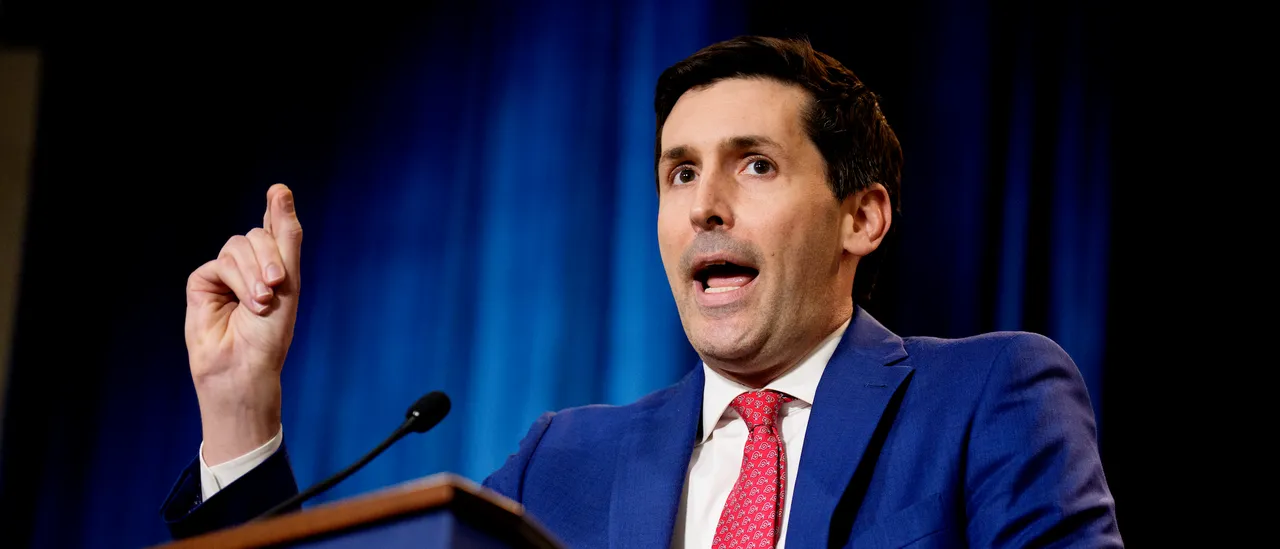
Key Architect Of Make America Healthy Again Alliance Resigns
A chief architect of the alliance between President Donald Trump and Health and Human Services Secretary Robert F. Kennedy Jr. resigned from the White House on Thursday, citing frustration with what he described as “dark forces in DC that profit from Americans getting sick.”
Read more ‘Fair Game’: Trump Weighs In On Ramaswamy’s Controversial Attack Ad
Calley Means, an author, wellness entrepreneur, and advocate for reforms to nutrition policy, arranged a phone call during the 2024 election that helped clinch Kennedy’s endorsement of Trump campaign. Trump would later appoint Kennedy as secretary of the Department of Health and Human Services, the nation’s most powerful official overseeing health policy.
“I don’t know him very well,” Trump said in a gaggle with reporters Thursday afternoon, before adding “MAHA is great.”
For months, administration officials have stressed that food policy would be central for motivating the Kennedy supporters who backed Trump two years ago to pull the lever for Republicans in the midterm elections. Just 12 days before Election Day, Means, a key driver of the administration’s food policy, has publicly indicated the administration is obstructing those changes.
Means nevertheless expressed optimism that the MAHA movement will continue to be a political force, and named as key achievements the new dietary guidelines, expanded access to psychedelics to treat mental health, deals with major food companies to remove food dyes and reforms to chemicals allowed in food as “generally recognized as safe.”
“More policy and cultural change has happened around these goals in the past 2 years than any time in history — and I know this movement is just getting started,” he said.
The White House canceled a meeting Thursday with Means and Kennedy on clarifying a federal definition of “ultra-processed foods,” Politico reported. Someone familiar with the plans had leaked the meeting to POLITICO last week, framing it as an action that could help shore up disaffected MAHA voters.
Two proposed rules on food changes are currently under consideration at the Office of Information and Regulatory Affairs (OIRA), a regulation that would replace the antiquated “generally recognized as safe” (GRAS) pathway that allowed food companies to introduce new additives without notifying the FDA. A second regulation would standardize the federal definition of “ultra-processed foods,” a tweak that could affect school lunches, food labels and dietary guidelines.
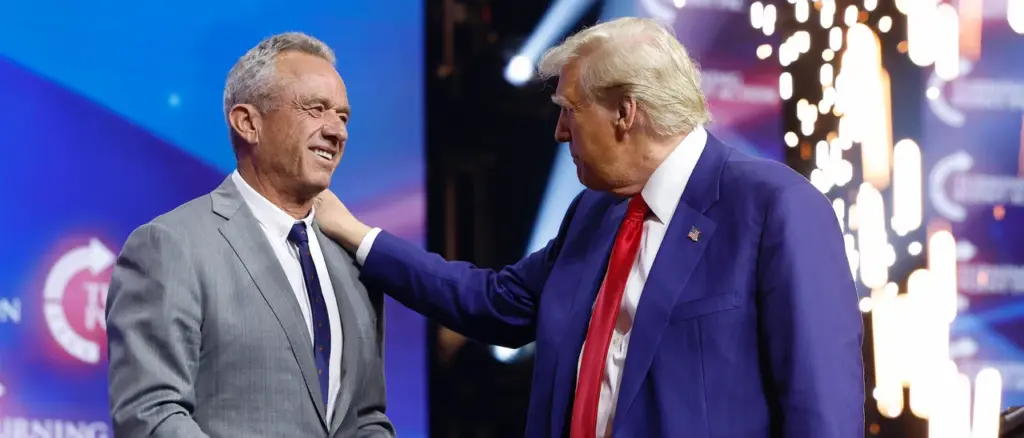
Photo by Anna Moneymaker/Getty Images
Means had grated on some administration officials with his aggressive pushes for reform amid bureaucratic processes that are by nature slow, according to current and former administration officials who were granted anonymity to discuss sensitive personnel matters.
Read more Iran Claims It Hit Multiple Ships In Persian Gulf, Warns US Military Of Major Escalation
But one former official said bureaucratic obstacles are sometimes used as an excuse to hold up policies unpopular with influential corporations.
“He was the last principled warrior willing to stand up to corruption and special interests,” another former official said.
In February, President Donald Trump signed an executive order invoking the Defense Production Act to prioritize the domestic supply of glyphosate, trademarked as Roundup, which some scientific evidence links to cancer, liver and kidney disease, endocrine disruption and neurotoxicity.
By May, Food and Drug Administration Commissioner Marty Makary had resigned under pressure, and a top aide on pharmaceutical policy was fired following a string of headlines about drugmakers’ anger with their changes.
Administration officials stressed a pivot away from headline noise about vaccines and the pharmaceutical industry and toward nutrition policy before the midterm elections, citing polling by Trump’s go-to pollster Tony Fabrizio.
In fact, Fabrizio found in a separate poll that was never released in full that a bipartisan majority of voters do not trust the pharmaceutical industry (90%) and express concerns about vaccine mandates (73%), the Daily Caller News Foundation first reported.
Reports of a pivot to nutrition policy to the exclusion of pharmaceutical policy rattled critics of the mRNA platform that undergirds Pfizer’s and Moderna’s COVID vaccines. They wrote in an open letter of a “bait and switch” that “rebranded the grassroots powerful objection to the damaging mRNA platform as a concern about coloring agents in Skittles.”
Now Means, the most visible advocate for changes to the dyes in food products like Skittles, has also resigned.
Read more Treasury Boss Brushes Off AI Bubble Fears As Megabanks Slam Door On Rogue Bots









Post Comment