Why Egg Prices Are Falling
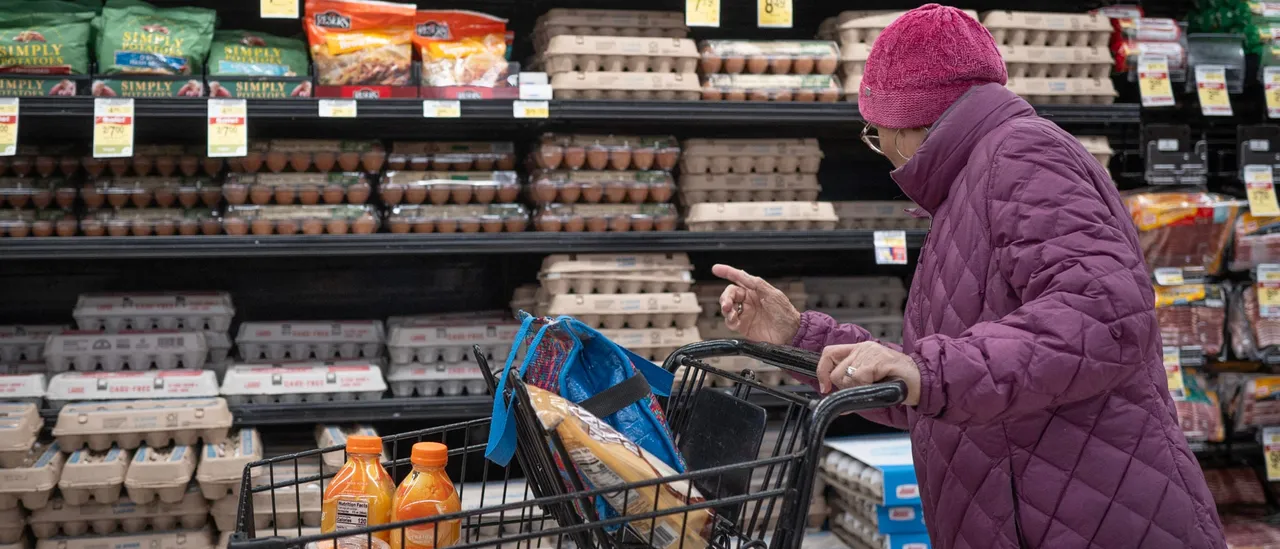
Egg prices have fallen to their lowest level since 2023 after more than halving from a year ago, marking a dramatic reversal from the $6-plus-per-carton prices that became a symbol of inflation earlier last year.
Read more ‘We Are Hypocrites’: Why Graham Platner Is Flailing With His Target Audience
While consumers remember early 2025 headlines blaming those soaring egg prices on alleged Trump-wrought inflation, the decline appears to reflect the market’s recovery from a massive supply shock more than the policies of a president who had only just returned to office. (RELATED: Climate Change Extremists Leave NYC Stuck With Power Shortage)
As of May, the latest data from the Federal Reserve Bank of St. Louis showed the price per dozen eggs had fallen to $2.19 from $4.55 a year earlier.
As today’s drastically low price was the result of a rubber-banding, or perhaps an overcorrection, of a shock to the system, one must first understand why prices were so high in 2025 before understanding how they reached this point.
According to the Department of Agriculture’s (USDA) June “Livestock, Dairy, and Poultry Outlook” report, highly pathogenic avian influenza (HPAI) contributed to the loss of an estimated 36.3 million egg-layers within the first five months of 2025.
For context, with an estimated 82 eggs laid per eligible chicken every 100 days, the loss of 36.3 million egg-layers could have reduced production by roughly 4.46 billion eggs while demand remained largely unchanged. In contrast, the USDA estimated an industry loss of 14.9 million egg-layers during the same period this year.
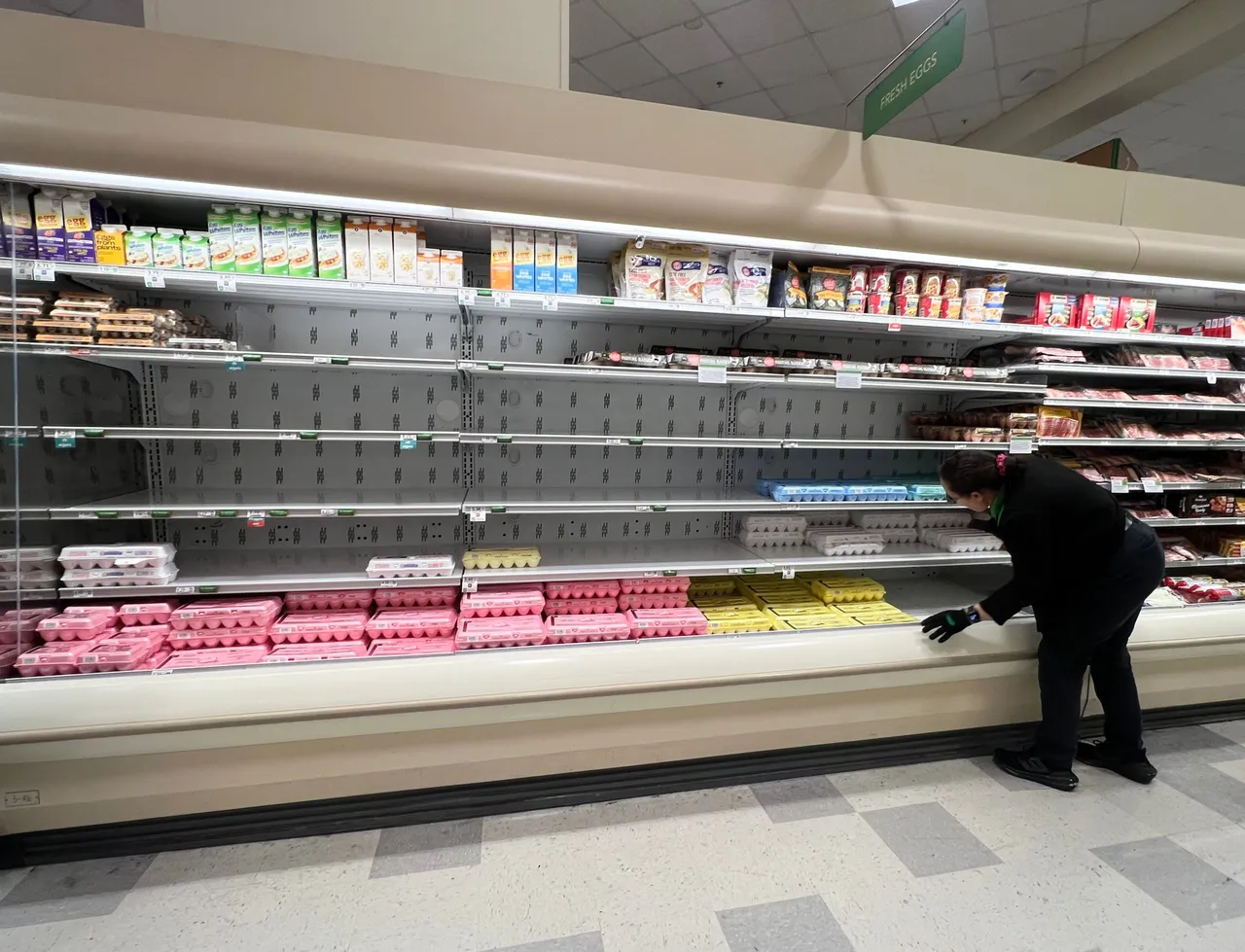
MIAMI, FLORIDA – JANUARY 23: A grocery store worker rearranges items in the depleted egg section on January 23, 2025 in Miami, Florida. (Photo by Joe Raedle/Getty Images)
A USDA spokesperson told the Daily Caller that not only had HPAI had less of an impact on the egg industry this spring, but the national table-egg laying flock had also increased in size, with the report estimating an 18.8 percent increase in birds on May 1 compared with the same point last year.
Michael Faulkender, a professor of finance at the University of Maryland and former Deputy Secretary of the Treasury, told the Caller that 2025’s doubled egg prices were “entirely consistent” with the temporary supply shock caused by HPAI, adding that prices returned to pre-shock levels after affected flocks were replaced with healthy egg-layers.
“I congratulate Secretary Rollins and the USDA for addressing the issue and resolving the avian flu impact on this sector,” Faulkender said. “As we saw with humans during the pandemic, these viral mutations can be global, so it is not possible to create perfect resilience to a global shock.”
While lower prices have benefited consumers as supplies return to pre-HPAI levels, egg producers say they are now feeling the squeeze.
Tony Wesner, CEO of the country’s second-largest egg producer, Rose Acre Farms, told KOMU 8 News that producers are taking a hit, with average egg prices declining 35.2 percent from last year.
“We’re losing money, and losing a lot of it,” Wesner said. “Last year was profitable, and this year is not going to be. It’s a large swing.”
Read more Supreme Court Handed Trump Ruling He Needed To Drain The Swamp
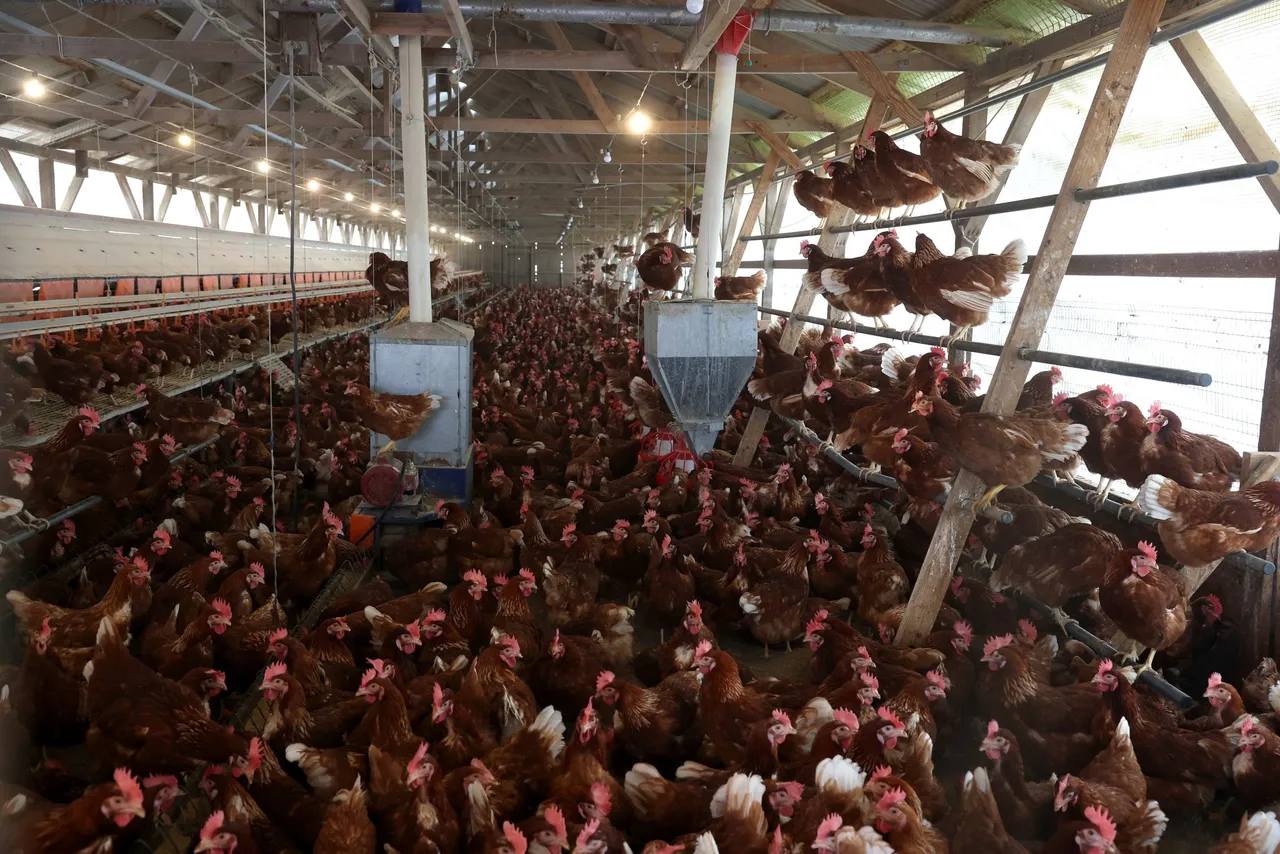
PETALUMA, CALIFORNIA – FEBRUARY 18: Chickens stand in a henhouse at Sunrise Farms on February 18, 2025 in Petaluma, California. (Photo by Justin Sullivan/Getty Images)
Dustin Stanton, co-owner of the independent Stanton Brothers Eggs company, also told KOMU 8 that, with gross revenue down about 20 percent from last year, they continue to feel the impact of lower prices.
In fact, Wesner believes the market may have overcorrected, saying that “it’s too many chickens and too many eggs for what the market has to deal with today.”
KOMU 8 reported that the surplus may be due in part to an increase in backyard egg production, as many homeowners began raising their own chickens during the supply shock, as well as softer demand, with food manufacturers potentially adjusting recipes during the price spike to rely less heavily on eggs.
But market forces are not the only explanation being offered for recent egg prices.
A civil lawsuit brought Tuesday by the Department of Justice’s (DOJ) Antitrust Division and 17 state attorneys general accuses three of the country’s largest egg producers of “unlawful coordinated manipulation of egg prices,” according to a DOJ statement.
The DOJ alleges that between June 2022 and March 2025, the companies coordinated to artificially inflate the daily quotations that influence egg prices in grocery stores and restaurants nationwide. The complaint also says the quotations dropped significantly from their peak of $6.22 per dozen in March 2025 after the defendants learned of the investigation.
The complaint, however, makes no mention of HPAI and appears to contrast with the explanation offered by Trump’s White House.
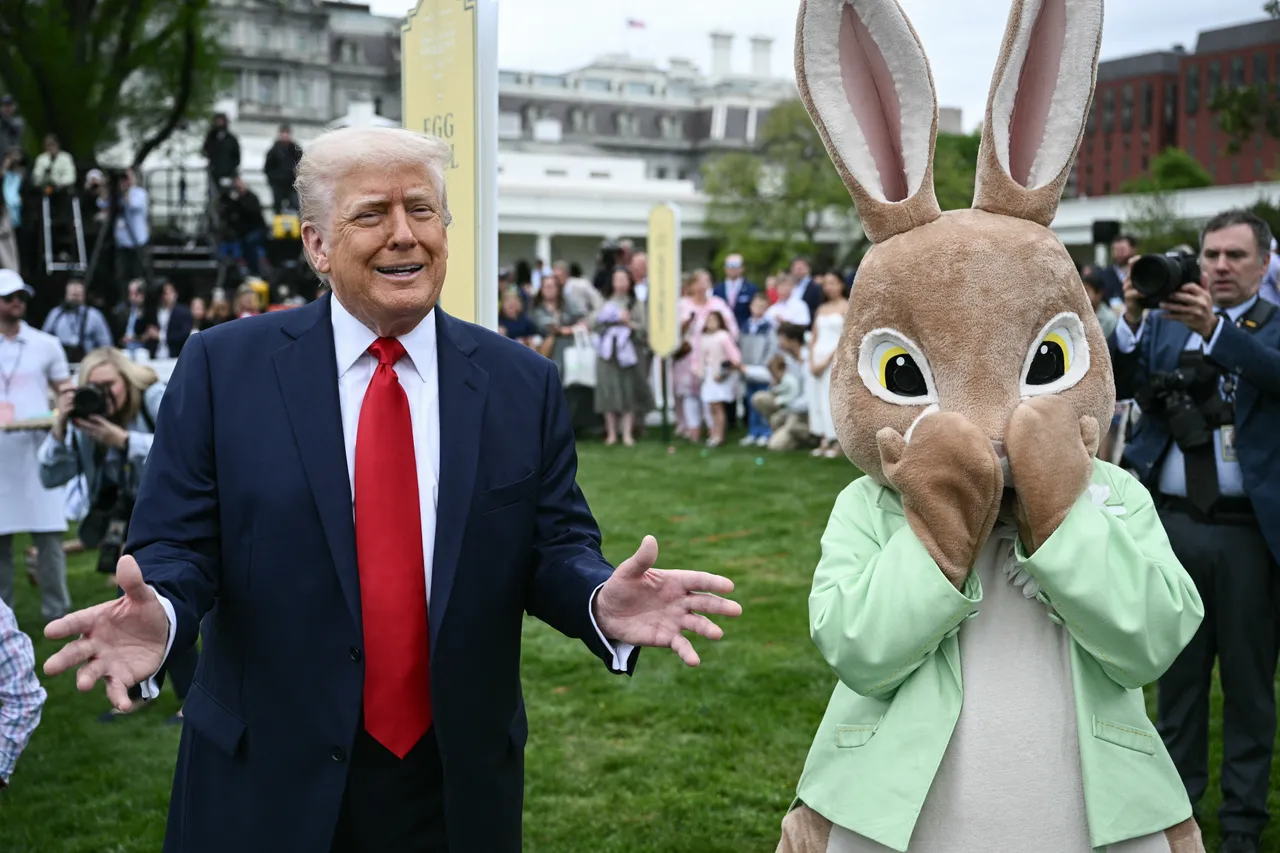
US President Donald Trump speaks as he stands next to a costumed Easter bunny during the annual Easter Egg Roll on the South Lawn of the White House on April 21, 2025, in Washington, DC. (Photo by BRENDAN SMIALOWSKI/AFP via Getty Images)
“Egg prices have precipitously declined since President Trump took office because of his Administration’s robust and targeted intervention to tame the Avian Flu outbreak,” White House spokesman Kush Desai told the Caller Thursday. “This is a clear example of President Trump correcting Joe Biden’s utter incompetence, and the Trump administration will continue to deliver more economic relief for the American people while shoring up our agricultural sector.”
While egg prices may be falling, overall grocery bills and household expenses continue to rise. The Bureau of Labor Statistics’ Consumer Price Index for May reported overall inflation of 4.2 percent over the past year. Gas prices accounted for much of that increase, rising 40.5 percent, while the overall food index increased just 3.1 percent. (RELATED: Trump And Vance Are Right About Immigration Driving Up Home Prices, Mortgage Industry Admits)
When asked whether the sudden drop in egg prices could be an early signal of underlying deflationary pressures currently hidden by supply-driven inflation in other sectors, Faulkender told the Caller, “I would not try to glean macro effects from the recent volatility in egg prices.”
Read more EXCLUSIVE: New Report Warns Of Foreign Stranglehold On American Beer Market














Post Comment