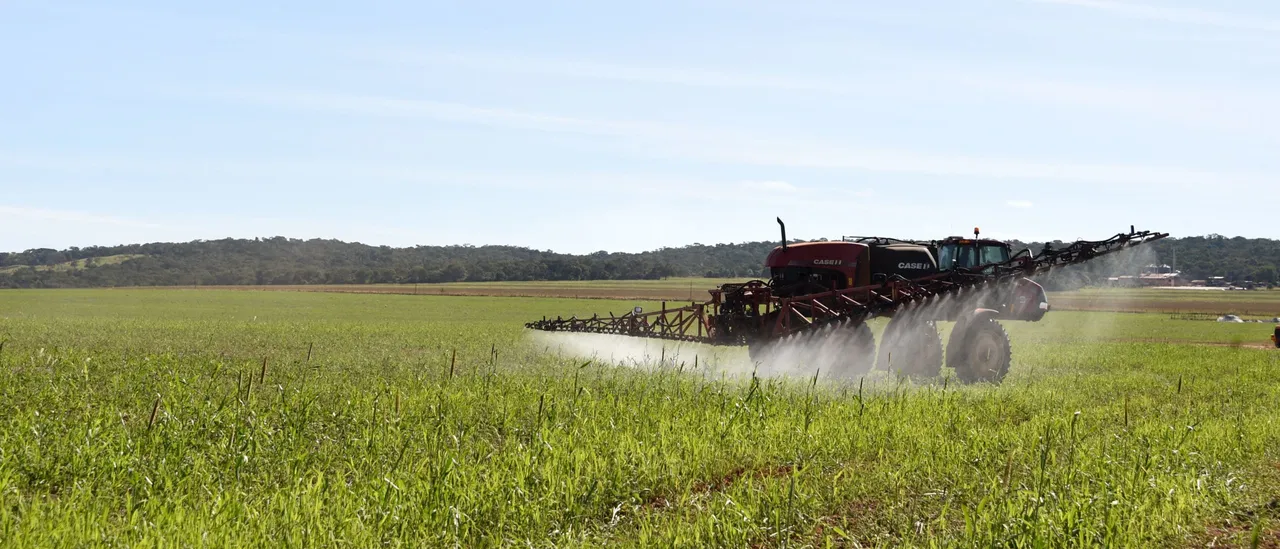
Trump Administration Approves New Potentially Dangerous Pesticides, Watchdog Groups Claim
The Environmental Protection Agency (EPA) approved several new chemical pesticides last week which the Center for Biological Diversity anod others warned could pose serious dangers to Americans’ health.
Read more Potential Future British Leader’s Resignation Sets Off Bizarre Fight
According to these watchdog groups, some of these pesticides contain per- and polyflouroalkyl (PFAS) and other chemicals that have been linked to cancer or other negative health outcomes. Specifically, the EPA approved multiple pesticides, including diflufenican, epyrifenacil, and trifludimoxazin, for use as pesticides on June 30. According to the Center for Biological Diverisity, the EPA previously discovered that diflufenican and epyrifenacil will ultimately break down into smaller PFAS chemicals such as trifluoroacetic acid (TFA), which is considered a problematic water contaminant. Epyrifenacil caused liver tumors in male mice, according to the Center for Food Safety. In the past, the EPA has emphasized “suggestive evidence” that trifludimoxazin leads to cancer, the group said.
The Organization for Economic Cooperation and Development (OECD) chemicals with single-fluorinated-carbon molecules as PFAS, otherwise known as “forever chemicals.” Forever chemicals are so nicknamed because the carbon-fluorine bond, or bonds, of which they consist are extremely strong, which make them difficult to break down even over long periods of time, according to Yale Sustainability. The chemicals can remain in the environment and the body and pose major public health risks. The EPA told Newsweek that diflufenican, epyrifenacil and trifludimoxazin consist of single-fluorinated-carbon molecules. (RELATED: Trump Vowed To Rule Out Fraud In Healthcare: How’s It Going?)
The EPA rejected the OECD’s definition of PFAS in a statement to the Daily Caller. “[T]he Biden EPA’s Office of Pollution Prevention and Toxics defined PFAS as chemicals containing two or more fluorinated carbons,” the agency said. “That threshold was deliberate, grounded in extensive scientific evidence that single-fluorinated-carbon molecules lack the persistence and bioaccumulation that define genuine PFAS.”
“OECD has no regulatory authority on this matter, and OECD itself states its definition ‘serves as a starting and reference point’ and that ‘individual users may define their own working scope of PFASs for specific activities according to their specific needs,” the EPA said.
The National Health Institute of Environmental Health Sciences indicated on its website that it considers a chemical PFAS if it has one carbon-flourine bond.
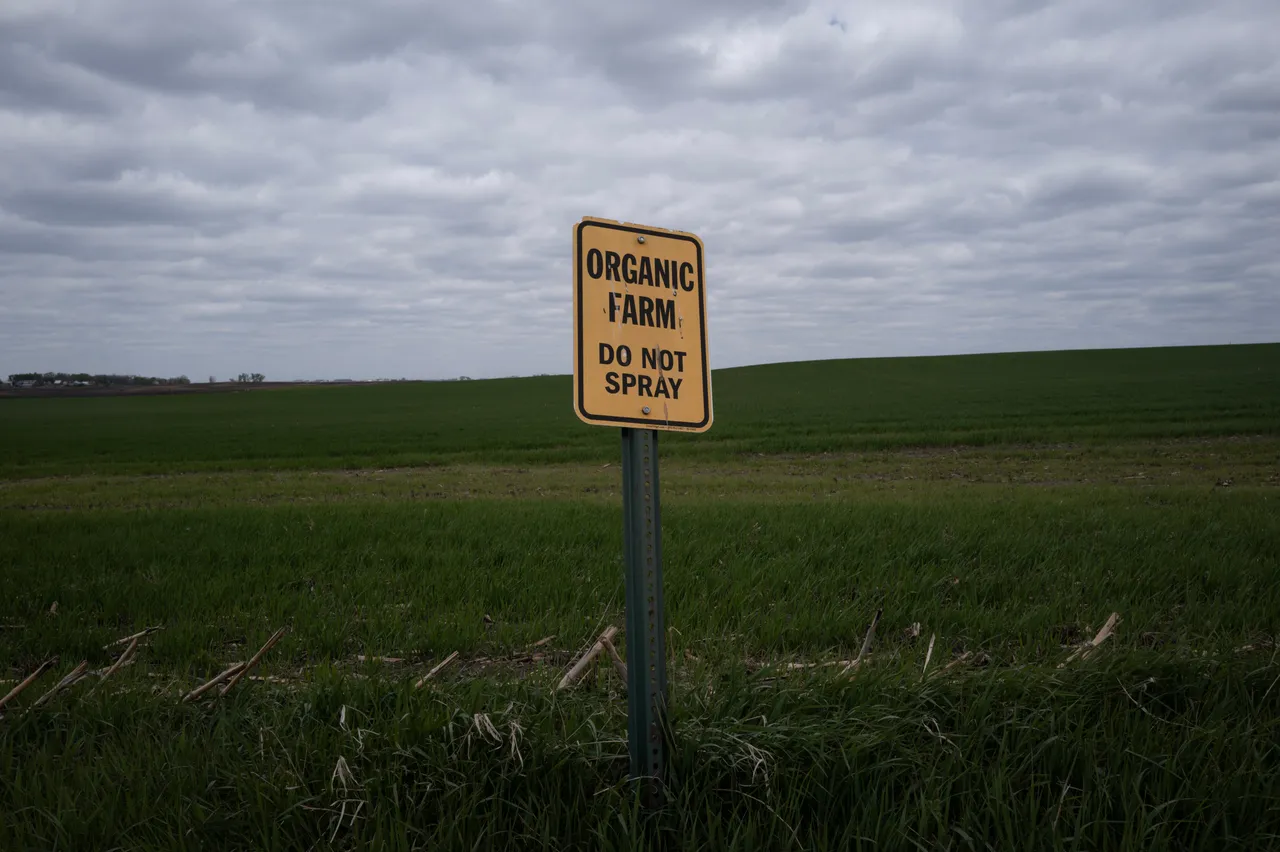
WEST BEND, IOWA – MAY 06: A sign warns about spraying pesticides on an organic farm on May 06, 2026 near West Bend, Iowa. (Photo by Scott Olson/Getty Images)
Read more Five Former Georgia Police Officers Charged Over Alleged Misuse Of License Plate Reader Data
In 2025, Denmark’s Environmental Protection Agency pulled authorization for 23 pesticides, including diflufenican, the Pesticide Action Network reported. Denmark prohibted diflufenican partly because of alleged TFA contamination in the country, according to the Center for Biological Diversity. (RELATED: EXCLUSIVE: Trump EPA To Make Major Announcement On Getting ‘Forever Chemicals’ Out Of Water Supply)
The EPA told the Caller they applied high standards to their reviews.
“EPA’s registration decisions applied the same gold-standard review required for every pesticide: comprehensive toxicity testing across species and life stages, evaluation of children’s safety and developmental effects, reproductive and chronic health assessments, environmental fate analysis, and Endangered Species Act evaluations with mitigation where warranted,” the EPA said.
“Persistence and bioaccumulation are precisely what [the] EPA’s review examines, and they are exactly what single-fluorinated-carbon compounds lack,” the agency said.
The Center for Biological Diversity disagreed with the EPA’s dismissal of the concern surrounding chemicals with single fluorinated carbons.
“Chemicals with single fully fluorinated carbons can stick around for generations or longer, which was the basis for their inclusion in the widely accepted PFAS definition,” the group said. “Most PFAS pesticides are expected to eventually degrade into the forever chemical TFA, which could linger in the environment at harmful levels anywhere from months to decades depending on the chemical properties of the individual pesticide.”
The U.S. Department of Agriculture did not respond to the Daily Caller’s request for comment by the time of publication.
Read more Pro-2A Group Asks SCOTUS To Remind New York City About 10-Year-Old Case That Tossed Stun Gun Ban














Post Comment