‘Dangerous Bet’: How Candidates Are Grappling With The Redistricting War
Nearly a dozen states across the country have redrawn congressional districts, moving the partisan goalposts for many incumbents. As a result, candidates have made a conscious effort to adapt to their new constituencies.
Read more ‘Good With Kids’ Pet Adoption Sites Market Brutish Pit Bulls As Family Friendly
While national power players toil to gerrymander states to best benefit their political parties, members of Congress are left grappling with new constituencies and unanticipated electoral challenges.
California and Texas faced some of the most aggressive redistricting, with each state expected to offer up five new seats to Democrats and Republicans, respectively. (RELATED: EXCLUSIVE: ‘Earliest Opportunity’ — Gov Opens Door To Redrawing Maps After SCOTUS Nukes Race-Based Districting)
As the states swing in favor of one party, incumbents like Republican-turned-Unaffiliated California Rep. Kevin Kiley are forced to pivot.
The two-term California congressman was originally elected as a Republican representing the state’s 3rd congressional district. Kiley’s district was promptly fragmented after California passed Prop 50, the ballot measure that gerrymandered the state in favor of Democrats.
After California successfully passed its redistricting measure and fractured Kiley’s district, the incumbent announced that he would run in the newly drawn 6th congressional district, which swung from favoring Trump to favoring former Democrat nominee Kamala Harris by double digits.
Although Kiley’s reelection campaign is largely viewed as a lost cause, Republican operatives are still treating some California races as competitive.
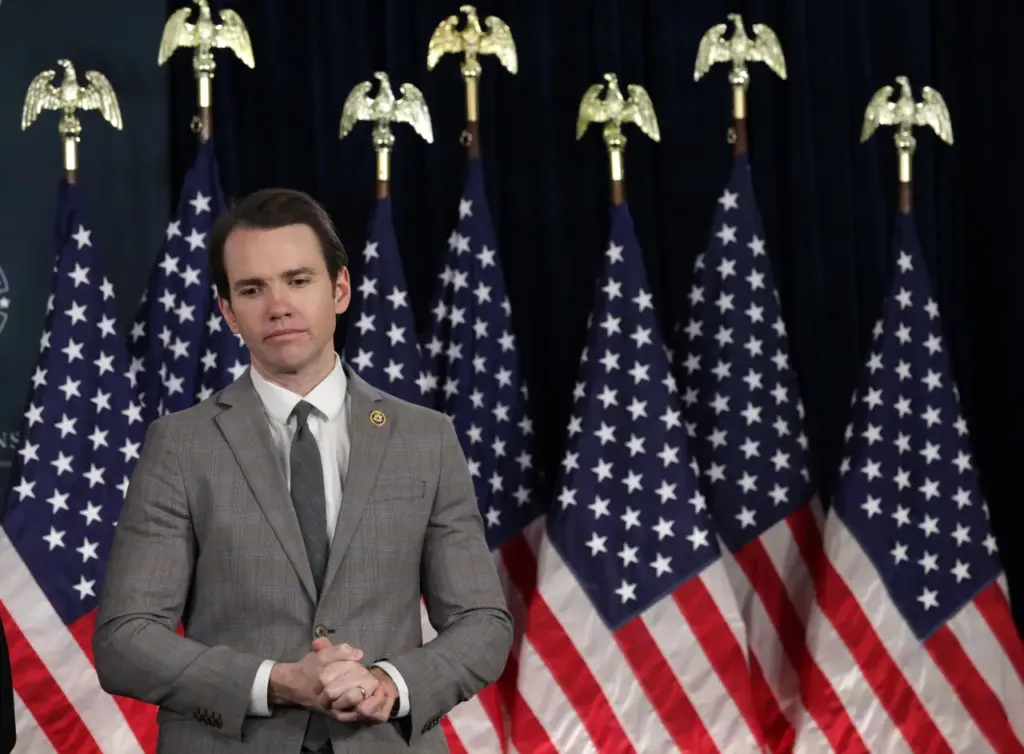
Incumbent Republican California Rep. David Valadao has long fended off left-wing challengers. In 2020, Valadao won reelection despite the same district voting for former President Joe Biden by double digits. Although his newly redrawn district is considered slightly more Democrat, Republicans are optimistic about Valadao’s reelection odds.
“There are hyper-local issues in that district that Valadao is very, very well known for,” one GOP operative told the Caller. “Tackling water issues and talking about ag issues that are really important to that district, and he’s made a name for himself talking about those issues.”
“Also, the Democratic nominee is very, very progressive,” the operative said of nominee Randy Villegas. “We think he’s too progressive for this district.”
Texas Democrats are facing a similar fate, forced to moderate on issues like immigration as their new constituencies include more Republicans.
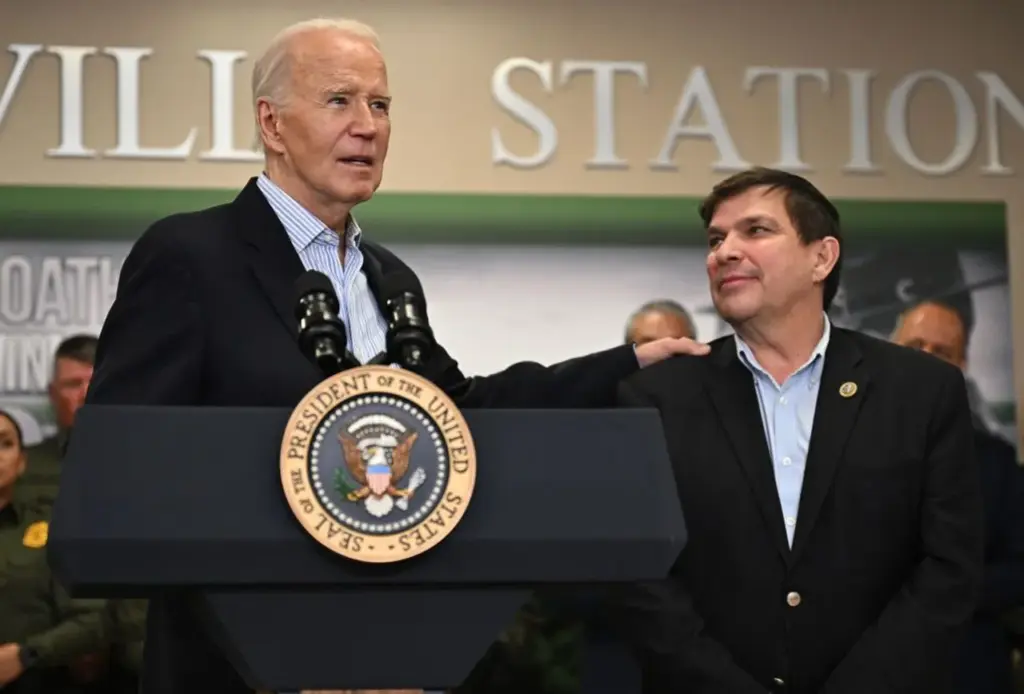
Democrat incumbent Texas Reps. Henry Cuellar and Vicente Gonzalez have both been disadvantaged by redistricting in their state, facing redder constituencies than they had in previous election cycles.
Read more Packers’ Josh Jacobs Hit With Two Misdemeanor Charges
Gonzalez previously led an open-borders immigration bill in the House called the Safe Zone Act, which would have established “safe zones” along the southern border as well as facilities in Guatemala for foreigners to apply for asylum. Although he previously embraced liberal immigration stances, Gonzales distances himself from his progressive policies and instead focuses on things like affordability and healthcare.
“They had to scream ‘abolish ICE’ for months in order to win a primary, and that is not a general election message at all,” the GOP operative told the Caller. “That will shred independent voters, and even Republican voters. Now, they’re probably a little concerned about their past statements.”
Although Republicans have redistricted themselves into an advantageous position, a Texas-based Democrat strategist, Dheeraj Chand, founder of Siege Analytics, told the Caller that the GOP’s redistricting risk may not pay off.
“I think Republicans made a really, really dangerous bet, and it was a little premature,” Chand told the Caller. “Republicans made a really big bet that the catastrophic loss that Harris had amongst every non-white demographic was permanent.” (RELATED: EXCLUSIVE: Vulnerable Texas Democrat Revealed Plan To Impose Mass Immigration In Unearthed Interview)
Trump sailed to his second term as president after winning an unprecedented percentage of the Latino vote in 2024. Although Gonzalez and Cuellar’s districts were redrawn in a way that was more advantageous to Republicans, Latino voters may not turn out with the same enthusiasm they did in the presidential election.
“They’ve carved out districts in such a way to increase the proportion of Latinos thinking, ‘This will make it more Republican-leaning.’ The problem is when populations en masse defect from one side, it might not be permanent.”
While some Democrats have cautiously avoided politically toxic social issues, Republicans have gone in on branding them as radical progressives. Chand argues that this could be effective, but economic hardships at a time when Republicans have a supermajority may eclipse the Democrats’ otherwise woke politics.
“Trump is going into the midterms with the Iran failure around his neck,” Chand told the Caller. “The culture war stuff could be activated if Republicans already felt good about their party. But I do not think it will land because people are experiencing tremendous crisis. They are aware that it’s because of [Republican] leadership. The bottom line is gas is insane.”
Chand acknowledged the electoral advantage Republicans gave themselves, but said that lack of enthusiasm could be a brutal blow for GOP candidates going into the midterms.
“That might be enough for voters to stay home,” Chand said of the economy. “Sometimes the silent treatment is active anger. ‘I’m sitting here actively ignoring you.’ Other times it’s passive anger, which is, ‘I’m not motivated to do anything for you because I’m disappointed.’”
Read more Jake Reiner Gives Emotional First Interview After Devastating Loss Of Parents Rob And Michele Reiner









Post Comment