
After Historic Failure, Congress Made Few Changes To Intelligence Community Oversight, Report Reveals
Following one of the biggest intelligence failures in U.S. history, the September 11, 2001, attacks, an independent commission recommended Congress strengthen its oversight of the CIA, FBI and other spy agencies — but a new retrospective report reveals that never happened.
Read more ‘Leftist, Woke, Horrible Choice’: Randy Quaid Fires Off Over ‘Days Of Thunder’ Casting Choice
Since the inner workings of the intelligence community are by nature secret, Americans rely on Congress to ensure it’s protecting the homeland while respecting their liberty. But not much has changed since 2004 when the 9/11 Commission lambasted congressional oversight of the intelligence community as “dysfunctional” and reported that the “House and Senate intelligence committees lack the power, influence, and sustained capability” to get accountability for its failures.
As the 25th anniversary of 9/11 approaches, the House Permanent Select Committee on Intelligence (HPSCI) issued a assessing how U.S. intel collection has changed in its aftermath.
HPSCI formally released the report at the Flight 93 Memorial in Pennsylvania on Monday.
“While much has changed in the world since the release of the Report, challenges with reforming congressional oversight have not,” the new report reads.
The commission recommended in 2004 two major reforms that have never been taken up.
It called for HPSCI and the Senate Select Committee on Intelligence (SSCI) to be merged into one powerful bicameral committee on intelligence, and recommended that this unified committee establish a designated subcommittee for oversight. This subcommittee would be freed from budgetary duties and could therefore focus on transparency and accountability. That change never happened.
Barring the establishment of a souped up House-Senate committee, the 9/11 Commission recommended combining the separate bills authorizing the intelligence community’s spying powers and appropriating its budget. That never happened either.
Read more Catch Them While You Can: Here’s What House Has To Tackle In Brief Return
The Intelligence Authorization Act (IAA), which authorizes IC activities, and the Defense Appropriations Act, which funds those activities, are taken up by Congress separately.
That weakens Congress’s most important lever for accountability — its power over public spending. (RELATED: Fauci’s Institute Worked Hand In Glove With CIA, New Documents Confirm)
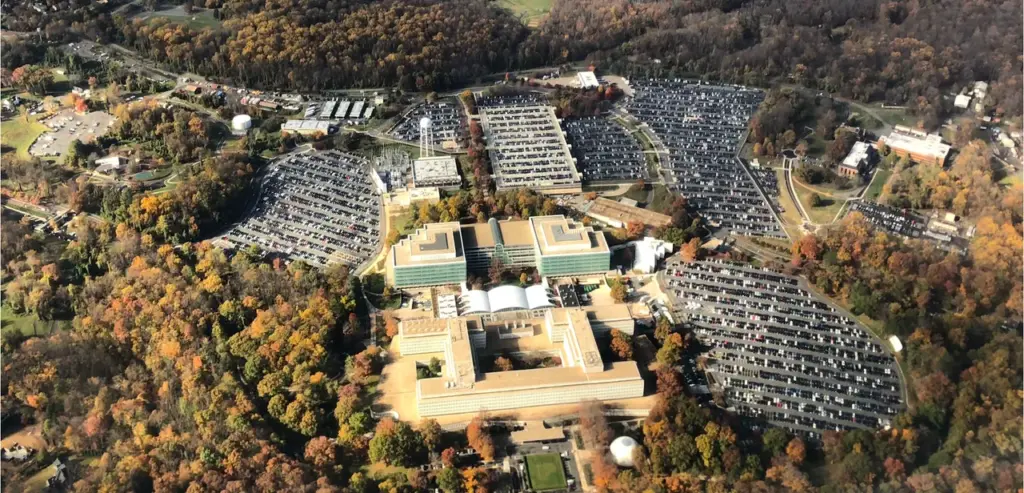
DANIEL SLIM/AFP via Getty Images
“Congress ought to take seriously the recommendation made by the 9/11 Commission from over two decades ago that our appropriations system for intelligence is broken,” Antonin Scalia Law School National Security Institute Executive Director Jamil N. Jaffer, a former top attorney for HPSCI, said at a May 20 hearing.
Congress did strengthen the powers of the Senate Select Committee on Intelligence somewhat while shirking the most dramatic changes, the new report states. (RELATED: Spy World Says It’s Pivoting To China After Years Of Whistleblower Warnings)
One change is technically on the books, but has never been implemented. A 2004 law called for the powerful Senate Appropriations Committee to establish a subcommittee on intelligence — potentially threatening the IC with real budget cuts if serious failures or abuses were uncovered. Nearly 22 years later, no such committee exists.
In 2007, Congress created a Select Intelligence Oversight Panel (SIOP) of the House Committee on Appropriations (HAC) tasked with producing a classified report on the intelligence community’s budget. It was disbanded four years later.
Read more Burglar With Uzi Choses Wrong House To Raid. It Doesn’t End Well For Him.












Post Comment