Europe Seemingly Comes Around To Trump’s China Stance
Some European countries appear to be seeking to use similar tactics employed by President Donald Trump to protect strategic industries, potentially shifting away from dependence on China.
Read more Minneapolis Police Chief Resigns After Allegedly Interfering In Sexual Misconduct Probe Against Him
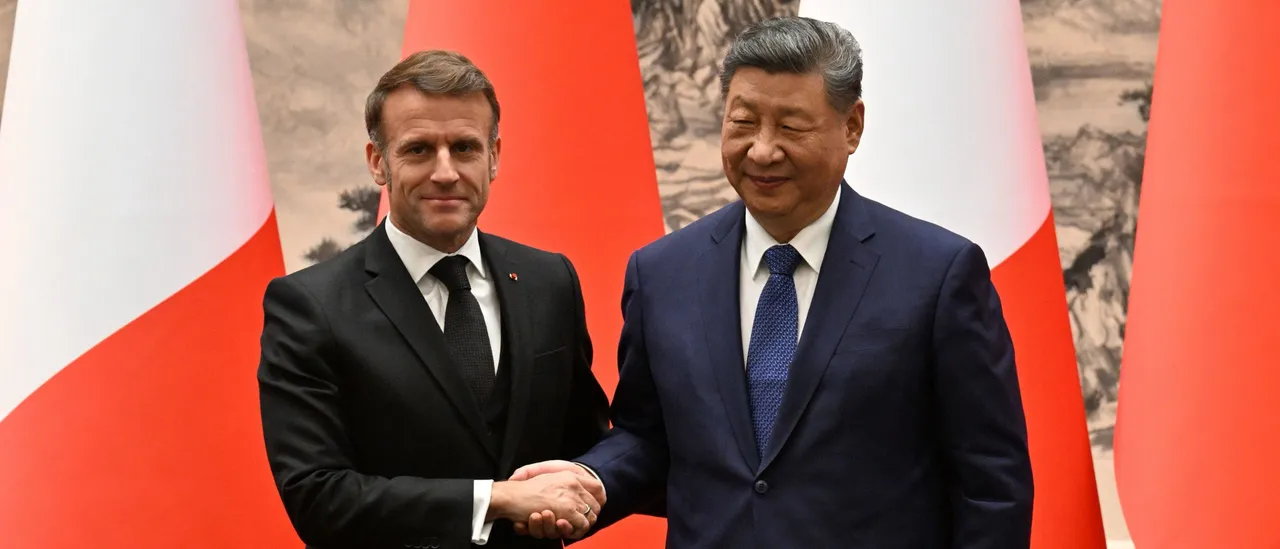
French President Emmanuel Macron said Friday that the European Union (EU) must “accept protective measures, safeguard measures” such as an EU equivalent of the U.S.’ Section 301 of the Trade Act of 1974, according to Politico. (RELATED: American Pro-China ‘Journalist’ Caught Allegedly Betraying Country, Helping Plant Someone In Trump Admin)
Under Section 301, an investigation may be conducted if the right to fair trade is denied by a foreign government. If unfair practices are determined, the U.S. can then impose tariffs or other import restrictions on the infringing nations.
Trump also plans to use Section 301 as the legal justification to implement more tariffs, since the tariffs he initiated at the beginning of his second term expire in late July, Politico reported.
“There is no reason why, when our sovereignty is at stake, hit by foreign actors … we should not react,” Macron stated in a speech to a quantum computing event, the outlet reported.
Although Macron did not get into the specifics of what the EU equivalent of Section 301 might entail, the call for this policy change comes only months after the EU began to distance itself from the U.S. following its initiation of war on Iran and its escalating implementation of various tariffs on European imports.
Following the strikes on Tehran, the French Foreign Minister Jean-Noel Barrot turned to his Chinese counterpart, Wang Yi, about working together towards “de-escalation.” Both committed to maintaining “close dialogue” throughout the conflict.
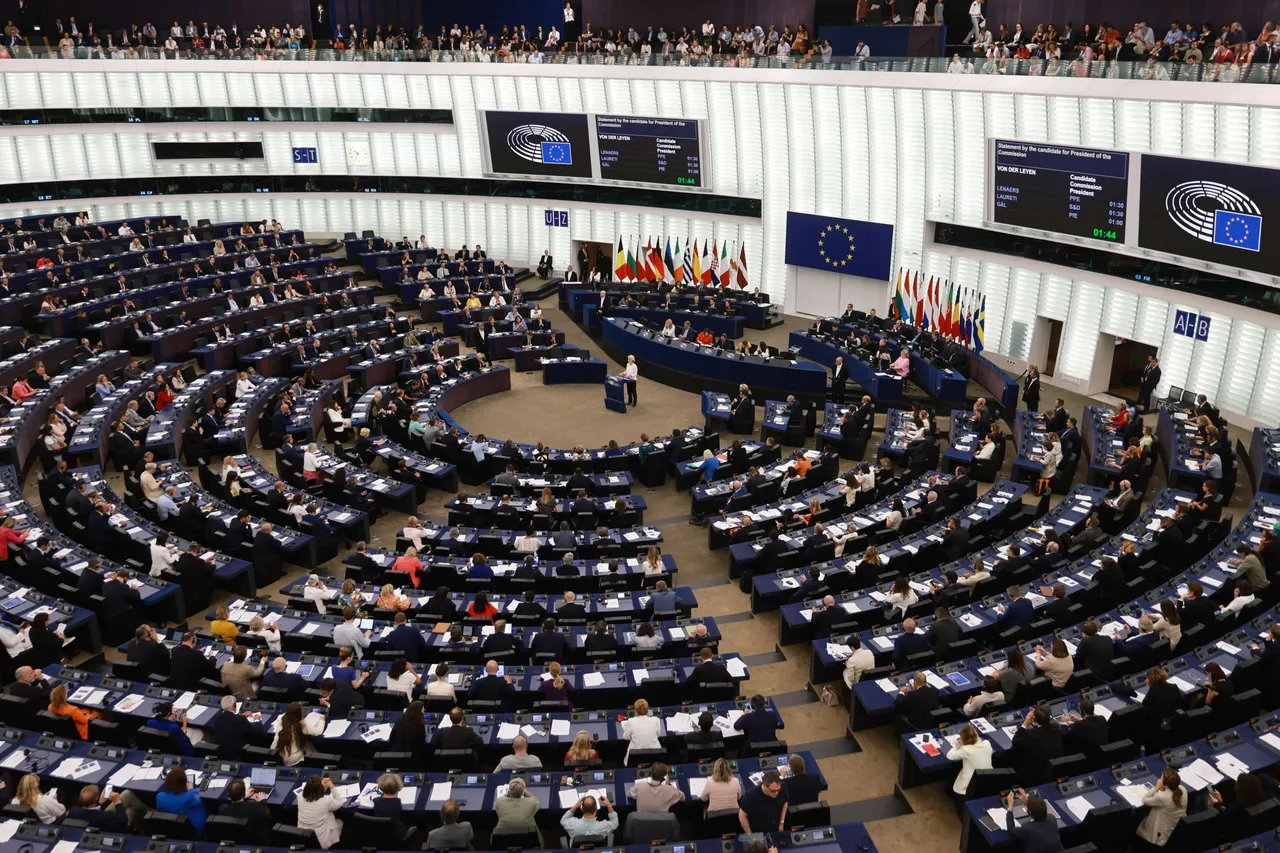
STRASBOURG, FRANCE – JULY 18: Ursula von der Leyen, head of the European Commission, participates in the debate after her speech during the plenary session of the European Parliament on July 18, 2024 in Strasbourg, France. (Photo by Johannes Simon/Getty Images)
Noticing the vacuum of influence, Beijing sought to fill the hole left by Washington by pushing Europe to purchase Chinese goods instead of moving forward with its “Made in E.U.” campaign.
Read more Even Pope Leo XIV Hates The New EV Ferrari
In a March effort to halt the EU from self-investing, a CCP editorial in China Daily claimed that the EU’s self-reliance would only “exacerbate existing trade frictions and complicate an otherwise win-win partnership.” The article argued that the EU should focus on creating more competitive business structures instead of implementing “protectionist” policies such as those now being pushed by France.
In fact, a group of five E.U. countries led by France has since called on EU lawmakers to implement more measures to combat China and other countries utilizing abusive trade policies, Politico reported Monday.
These measures were proposed as the European Commission considers implementing a “more assertive and effective trade defense policy” against China, and just over a week before Brussels plans to host an internal strategy debate on the threat of Chinese competition, according to Politico.
France’s coalition, consisting of Italy, Spain, the Netherlands and Lithuania, proposed trade enforcement policies and called for including “economic security” among the standards reviewed when considering potentially opening trade defense investigations, which may result in the use of tariffs and sanctions, Politico reported.
Although the coalition did not specifically mention China, France’s trade minister told the Financial Times that, although he would prefer a negotiated solution with China, he understands that “the overcapacities [of Chinese industry] are very broadly subsidised by the state… redirected towards exports.”
“These commercial relations have to be balanced,” he added.
However, not every E.U. country is in step, as Germany appears to be leaning into their dependency on China for key goods and raw materials.
An analysis from the Friedrich Naumann Foundation for Freedom said Tuesday that Chinese imports have risen in multiple sectors since 2023, achieving the nearly opposite effect of its China strategy published the same year.













Post Comment