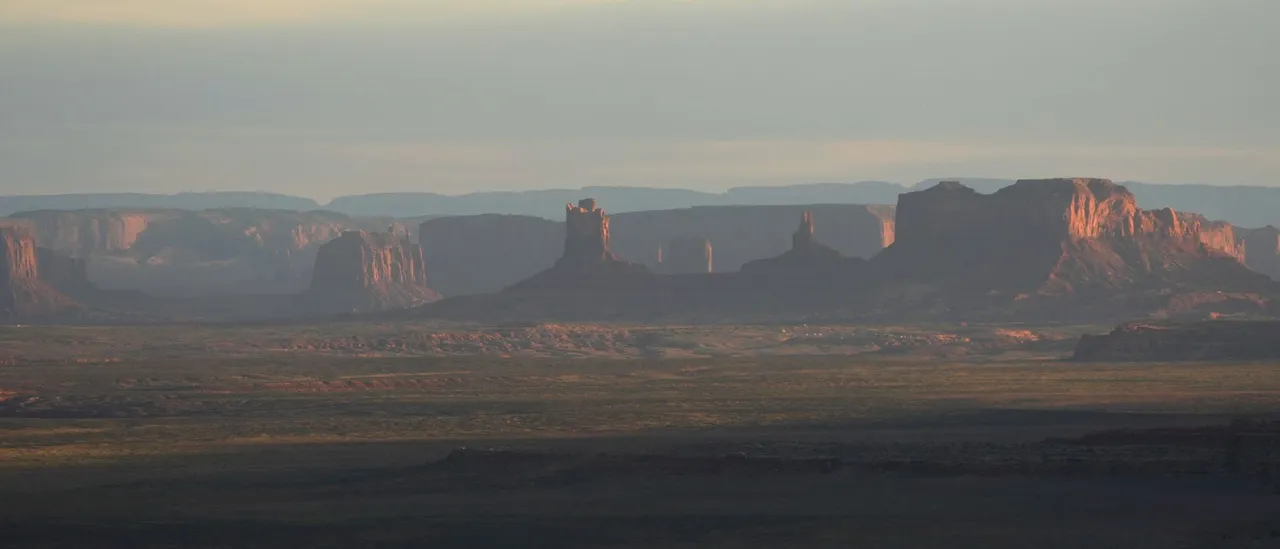
Outdoor Retail Giant Sues Trump For Shrinking Two National Monuments
Outdoor retail giant Patagonia sued President Donald Trump Wednesday over proclamations drastically shrinking two national monuments in southern Utah.
Read more Young Gambling Addict Blew Through $100k On Sports Gambling — But It Didn’t End There
Trump’s July proclamations reduced the sizes of Grand Staircase-Escalante National Monument from 1.87 million acres to approximately 181,500 acres, and the Bears Ears National Monument from 1.36 million acres to approximately 121,100 acres.
Patagonia joined environmental groups and Native American tribes in filing a lawsuit Wednesday to block the administration and challenge both the 2026 proclamation and the previous 2017 proclamation that had slashed the monuments’ sizes. (RELATED: Conservative Groups Warn Against Trump Admin Proposal To Give Away Piece Of Beloved National Park)
“What is happening in Utah is tragic,” Patagonia CEO Ryan Gellert said in a statement. “President Donald Trump’s proclamations all but eliminating Bears Ears and Grand Staircase-Escalante National Monuments betray Tribal sovereignty and scrap years of work to create groundbreaking management plans for some of the most culturally significant places in the country. And the orders are illegal.”
Under the Antiquities Act of 1906, presidents can create protected areas deemed archaeologically and culturally significant.
In 1996, President Bill Clinton created the Grand Staircase-Escalante National Monument, while President Barack Obama established the Bears Ears National Monument in 2016.
Trump reduced the size of both monuments during his first term, triggering Patagonia’s initial lawsuit, but President Joe Biden later reversed the move in 2021.
The White House contended in July that the Antiquities Act enables “overreach and abuse” and “has been stretched to include landscape areas, biodiversity, ‘viewsheds,’ and ‘remoteness.’” (RELATED: Land Grab Or Common Sense? What Trump’s Shrinking Of National Monuments Means)
Both Grand Staircase-Escalante and Bears Ears contain ancient cliff dwellings, pueblo homes, rock art, and sites sacred to Native American tribes. They also contain large deposits of coal, uranium, and other minerals.
“Rightsizing these national monuments allows for the restoration of public access and traditional multiple-use activities on these Federal lands and waters, such as grazing, timber harvest, fishing, hunting, resource development, infrastructure upgrades, and motorized recreation,” the White House said.
Read more It Cost One Man This Insane Amount To Legally Carry Gun Across US
Patagonia and environmental groups argue that although the Antiquities Act grants a president authority to establish a protected site, it does not allow him to “undo a monument designation.”
“The legislative history of the act clearly reflects a focus and intent to protect prehistoric Indigenous archaeological and cultural sites,” Gellert said on Patagonia’s website.
Steve Bloch, legal director at the Southern Utah Wilderness Alliance, described Trump’s proclamations as an “unlawful attack” on “our nation’s long tradition of protecting parks, monuments and wild places for current and future generations.”
“With the filing of these lawsuits, we intend to make sure Trump doesn’t have the final word over the fate of these treasured landscapes,” he said in a statement.
A Congressional Research Service (CRS) report published in July noted the Antiquities Act “is silent with respect to a President’s authority to diminish the size of a monument or eliminate a monument altogether.”
Some legal scholars argue that only Congress holds the power to reduce or abolish a national monument. Others who believe the president does have this power “point to historical examples of Presidents reducing the size of monuments without a congressional response and argue, among other things, that a grant of authority to do something includes the authority to undo it,” according to CRS.
A Department of Justice memo issued in May 2025 provided the legal framework for Trump’s decision, arguing he had the authority to shrink national monuments established by previous presidents, such as William Howard Taft.
In explaining the new lawsuit, Gellert said the vast majority of Americans oppose reducing or selling protected public lands. A 2025 poll sponsored by the Trust for Public Land and conducted by YouGov found that land conservation efforts have broad bipartisan support, with 85% of Democratic voters and 61% of Republican voters opposing the sale of public lands.
“Hunters, fishers, hikers, climbers, conservatives, liberals, MAGA voters and everyone in between support public lands. Yet we find ourselves again facing a unilateral decision that does the opposite of what people want,” Gellert said.
Read more Troy Jackson Backed Trans Prison Policy — Female Inmate Says Convicted Killer Threatened To Rape Her








Post Comment