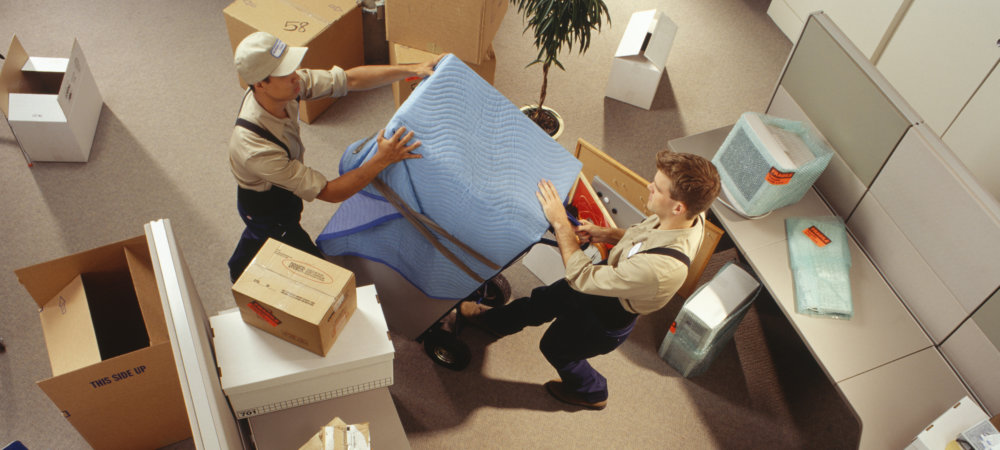
Packing Art for the Journey: A Careful Approach to Moving Decorative Pieces
Artwork and decorative pieces often carry more than financial value. A framed photograph may be irreplaceable, a sculpture may have taken years to collect, and a favorite mirror can be difficult or impossible to replace. Unlike ordinary household items, these pieces can be vulnerable to scratches, cracked glass, bent frames, chipped surfaces, and pressure during transportation.
A successful move begins by treating decorative belongings according to their materials and construction rather than putting everything into ordinary boxes.
Sort Pieces by Their Vulnerabilities
Start by creating a separate inventory of artwork and décor.
Group framed paintings, prints, mirrors, sculptures, ceramics, decorative glass, wall art, and other fragile pieces. Note anything unusually heavy, delicate, oversized, or valuable.
For homeowners in Las Vegas, professional assistance can be coordinated through https://nevadamoverslv.com/ as part of a broader household relocation plan.
Look for Existing Weak Points
Inspect frames, corners, hanging hardware, glass, bases, and other exposed areas before packing.
If something is already loose or damaged, document its condition before transportation. This helps distinguish pre-existing issues from damage that might occur during handling.
Choose Protection According to the Item
There is no universal wrapping method for decorative belongings.
Soft protective materials can help cushion many pieces, while rigid protection may be more appropriate for framed artwork or objects vulnerable to impact.
Avoid placing delicate surfaces directly against rough cardboard or other materials that could scratch them.
Protect Corners First
The corners of frames are particularly exposed during carrying and loading.
Use appropriate corner protection before wrapping the entire piece. A padded exterior can then provide another layer between the artwork and surrounding objects.
Give Glass Special Attention
Mirrors and framed pieces containing glass require careful preparation.
If suitable, place protective tape across the glass in a simple pattern to help keep fragments more contained if the pane breaks. Cover the item with appropriate padding and place it inside a suitably rigid container.
Do not stack heavy belongings directly on top of fragile framed pieces.
Residential moving requires extra care when a household contains a significant collection of glass-fronted artwork.
Prepare Sculptures and Three-Dimensional Décor
A sculpture can be difficult to pack because its weight may be distributed unevenly.
Remove detachable elements when appropriate and protect protruding parts individually. Avoid allowing delicate extensions to bear the weight of other materials.
For unusually valuable or complex pieces, follow the artist’s, manufacturer’s, or conservator’s handling recommendations.
Use the Right-Sized Container
A box that is too large allows an item to move around during transportation.
A container that is too small can place pressure on the artwork. The goal is a secure fit with sufficient protective material to cushion the piece without compressing it.
Photograph Your Collection
Take clear photographs before packing.
Capture the front, back, frame, hardware, and any existing imperfections that may matter. For valuable artwork, keep purchase records, certificates, or other documentation separate from the physical shipment.
This creates a useful reference when everything arrives at the new home.
Label Fragile Items Clearly

Labels should communicate more than the room where an item belongs.
Use clear descriptions such as “Framed Artwork,” “Glass Décor,” or “Mirror” where appropriate. Mark boxes according to their handling needs without assuming a generic “fragile” label explains everything.
Keep Artwork Upright When Appropriate
Some framed pieces are better transported vertically rather than laid flat, particularly when stacking could place pressure on the frame or glass.
Follow appropriate handling guidance for the particular item instead of applying one rule to every piece.
Plan the Route Through Both Homes
The path from wall to vehicle and from vehicle to the destination room matters.
Remove obstacles from hallways, stairs, doorways, and other narrow areas. Measure oversized frames and mirrors against entrances before moving day.
Nevada Movers should know about unusually large or delicate pieces ahead of time so the handling plan can reflect the actual collection.
Decide Where Each Piece Will Go
Do not wait until unloading to determine where valuable artwork belongs.
Identify the destination room and approximate location in advance. This reduces unnecessary carrying and repeated repositioning.
If wall décor will be rehung immediately, keep the required hardware and accessories together.
Separate the Most Valuable Pieces
For highly valuable or irreplaceable artwork, consider whether it should travel under additional precautions rather than being treated like ordinary household décor.
Keep documentation and other critical records under your own control whenever appropriate.
Prepare the New Space
Before artwork arrives, make sure the destination area is ready.
Clear furniture and boxes from intended display locations. Check walls and mounting surfaces before attempting installation.
Do not rush to hang heavy pieces simply because the room is still being unpacked.
For homeowners using professional residential moving support in Las Vegas, the service information at https://nevadamoverslv.com/services/residential-moving/ can be considered while organizing the larger household move.
Inspect Everything After Arrival
Once decorative pieces are unloaded, check them before removing all protective materials.
Compare valuable items with your photographs and inventory. Look at glass, frames, corners, surfaces, and structural components.
Keep damaged packaging until you are confident that the contents are in their expected condition.
Artwork and decorative belongings deserve a different approach from ordinary household possessions. By sorting pieces by vulnerability, protecting corners and glass, securing sculptures, documenting condition, labeling containers clearly, and preparing access routes at both properties, homeowners can significantly reduce avoidable handling risks. With Nevada Movers incorporated into the moving plan, careful preparation can help treasured artwork and decorative pieces arrive ready for their next place in the home.













Post Comment