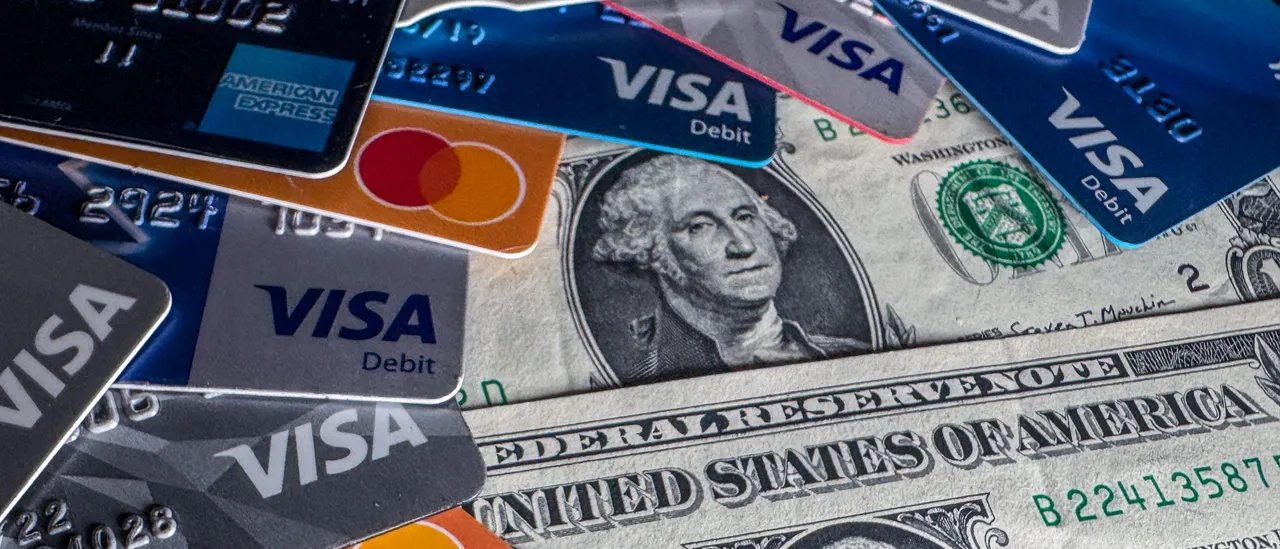
How Big Banks Are Scheming To Jack Up Your Fees
Some of the nation’s largest banks are reportedly exploring a deal that could allow them to sidestep debit card fee limits imposed under the Obama administration, reopening a long-running fight over government regulation of the payments industry.
Read more As US Runs Low On Missiles, Trump Wants To License Production To Ukraine
The Wall Street Journal reported Monday that JPMorgan Chase, Bank of America, Wells Fargo and PNC Financial Services have held preliminary discussions about acquiring a debit payments network owned by fintech company Fiserv. According to the Journal, ownership of the network could allow the banks to avoid interchange fee caps created by the Durbin Amendment, a provision of the 2010 Dodd-Frank Act.
Every time a customer uses a debit or credit card to make a purchase, the merchant pays the customer’s bank a small percentage of the transaction amount through what’s known as an interchange, or “swipe,” fee, according to the New York Post.
The Durbin Amendment allowed the Federal Reserve to limit the interchange fees that large banks can collect on debit card transactions routed through outside payment networks. Banks that own their own payment networks are exempt from those restrictions, creating a potential pathway around the federal caps, the WSJ explains.
According to PYMNTS, this proposal could “reshape the economics of debit cards” by giving major financial institutions greater control over payment infrastructure. (RELATED: Bank Of America CEO Is Wrong Again: America Doesn’t Need Three More Rate Hikes)
Ownership of a payments network could enable banks to bypass the Durbin Amendment’s interchange fee restrictions while potentially expanding debit card rewards for customers, the Journal reported. However, such a move would likely invite criticism from retailers and consumers who argue that higher interchange fees ultimately raise prices for consumers.
The Wall Street Journal characterized the preliminary talks as part of a broader effort by banks to improve their position in the payments industry, highlighting that the discussions are “one more sign of how eager banks are to find an edge in payments wherever they can.”
Read more ‘Total Eclipse Of The Heart’ Pop Icon Bonnie Tyler Dead At 75 After Hospitalization
The reported talks come after Capital One completed its $50.6 billion acquisition of Discover Financial, giving the bank ownership of Discover’s payments network.
Not every institution involved appears convinced the strategy is worth pursuing. The Wall Street Journal reported that some banks have already stepped back from the discussions over concerns that such a deal could trigger political backlash from lawmakers, regulators and merchant groups. (RELATED: Kevin Hassett Says It’s Good Sign Americans Using Credit Cards More As Iran War Blows Up Their Budgets)
For now, no agreement has been announced, and the discussions remain in the early stages.
Fiserv said, “We have no comment.”
Regarding the potential bank acquisition of Fiserv’s debit payment network, the Federal Trade Commission declined to comment, telling the Daily Caller, “As a general matter, the FTC does not comment on proposed mergers or acquisitions.”
PNC and Bank of America declined to comment. JPMorgan Chase and Wells Fargo did not respond by the time of publication.












Post Comment