Labor Force Participation Rate Falls To Lowest Since Pandemic As Over 250K Leave Workforce
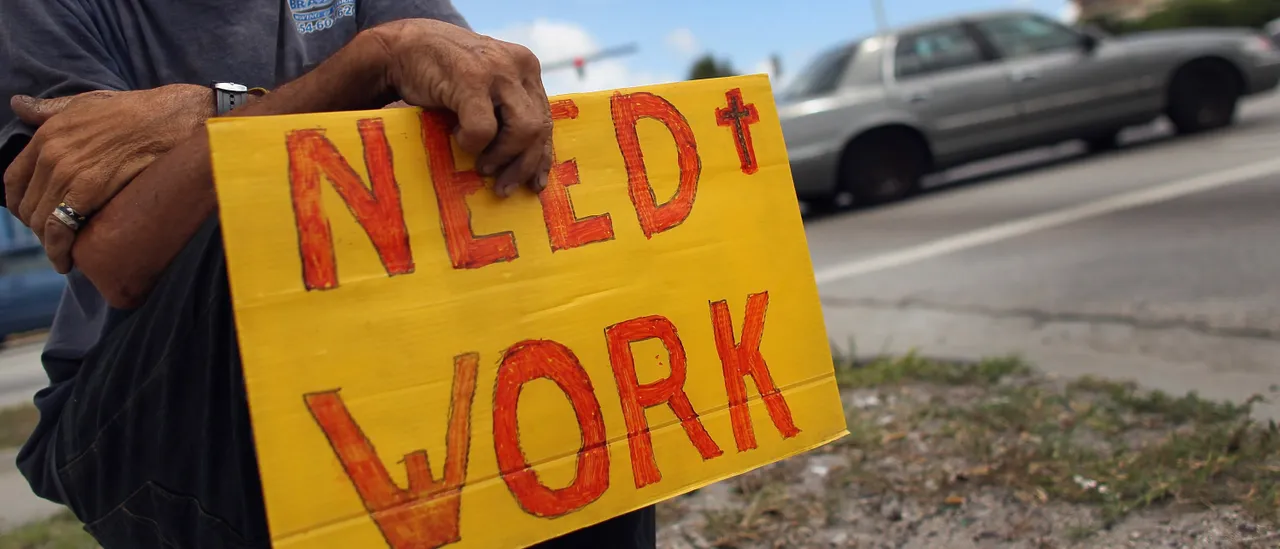
The U.S. labor force participation rate fell to 61.4 percent in July, its lowest level since the COVID-19 pandemic, as 264,000 people left the labor force last month, according to the Bureau of Labor Statistics (BLS).
Read more Senate Committee Votes To Hold Fauci In Contempt
The labor participation rate is down from this year’s January high of 62.1 percent but remains above the decade’s lowest point, 60.1 percent, in April 2020. The overall rate of civilian labor force participation, which is seasonally adjusted, has been on a downward trend, dropping 4.7 percentage points since July 2006, the bureau found. (RELATED: JP Morgan’s Jamie Dimon Issues Warning, Says Hidden Moves Obfuscating Reality For Trump’s Economy)
Citing the bureau’s Friday-published findings, Navy Federal Chief Economist Heather Long called the result a “surprisingly bad job report,” adding that the U.S. economy lost 23,000 jobs in July after expectations of gaining 80,000 jobs.
She also noted that the unemployment rate fell to 4.1 percent but said it had gone down for the wrong reasons, with more than 260,000 Americans leaving the labor force.
Wage growth increased by 3.2 percent, Long reported, but she said any benefit had been entirely wiped out by inflation of more than 3.5 percent.
“The financial squeeze is real for many Americans right now,” the chief economist said, adding that many workers will struggle in the upcoming months because wage growth is not keeping up with inflation.
Read more Stefon Diggs To Sign With Washington Commanders In Blockbuster Move: REPORT
The BLS found that, compared with last July, much of the employment loss primarily affected local government education, which lost 50,000 jobs, and retail, which lost 19,000 jobs. Health care jobs continued their upward trend, increasing by 22,000, despite growing at a slower pace than the average monthly trend. Notably, July saw the third largest loss in jobs since the COVID-19 pandemic.
The BLS also revised the previously reported totals of nonfarm payroll employment in May and June by a combined 103,000 lower than what had been previously reported.
Stephen Miran, an economist and former member of the U.S. Federal Reserve Board of Governors, said the Core Consumer Price Index, a measure of underlying inflation that excludes food and energy prices, is expected to reach 2.5 percent next week. He said that, at historical norms, that would typically correspond to a Core Personal Consumption Expenditures Price Index of about 2.1 percent.
“The jobs data show what I feared: We should not ask people to lose their jobs to offset inflation measurement error,” Miran said. (RELATED: FCC Votes To Completely Change Local Media Landscape And Some Are Incensed)
Although these core indexes exclude food and energy prices, the price of energy, which has remained high since the closure of the Strait of Hormuz choked off a massive portion of the world’s oil supply, does have a ripple effect on the prices of other goods that rely on energy to produce or transport products.
Read more NOAA Releases Updated Outlook For 2026 Atlantic Hurricane Season As ‘Super’ El Niño Looms














Post Comment