Establishment Politicians Get Greenlight To Flood Airwaves With More Political Ads Than Ever
The Supreme Court loosened campaign finance regulations Tuesday by striking down a law that restricted the amount a national political party committee could spend in coordination with a candidate.
Read more ‘He Came And Stab Me’: Food Truck Pirates Turn National Mall Into A Lawless Mess
The 6-3 ruling, written by Justice Brett Kavanaugh, found that the amendment in the 1974 Federal Election Campaign Act violated political parties’ First Amendment rights, building on the theory that political spending is equivalent to protected free speech. (RELATED: The Real Reasons Democrats Are Revolting And Why Conservatism Inc. Needs To Wake Up)
“Whether the Democratic Party, the Republican Party or other parties, all political parties and candidates going forward can compete equally under the same rules regarding coordinated expenditures and can structure their fund-raising, spending and political speech on a level playing field as they see fit within the law,” Kavanaugh wrote.
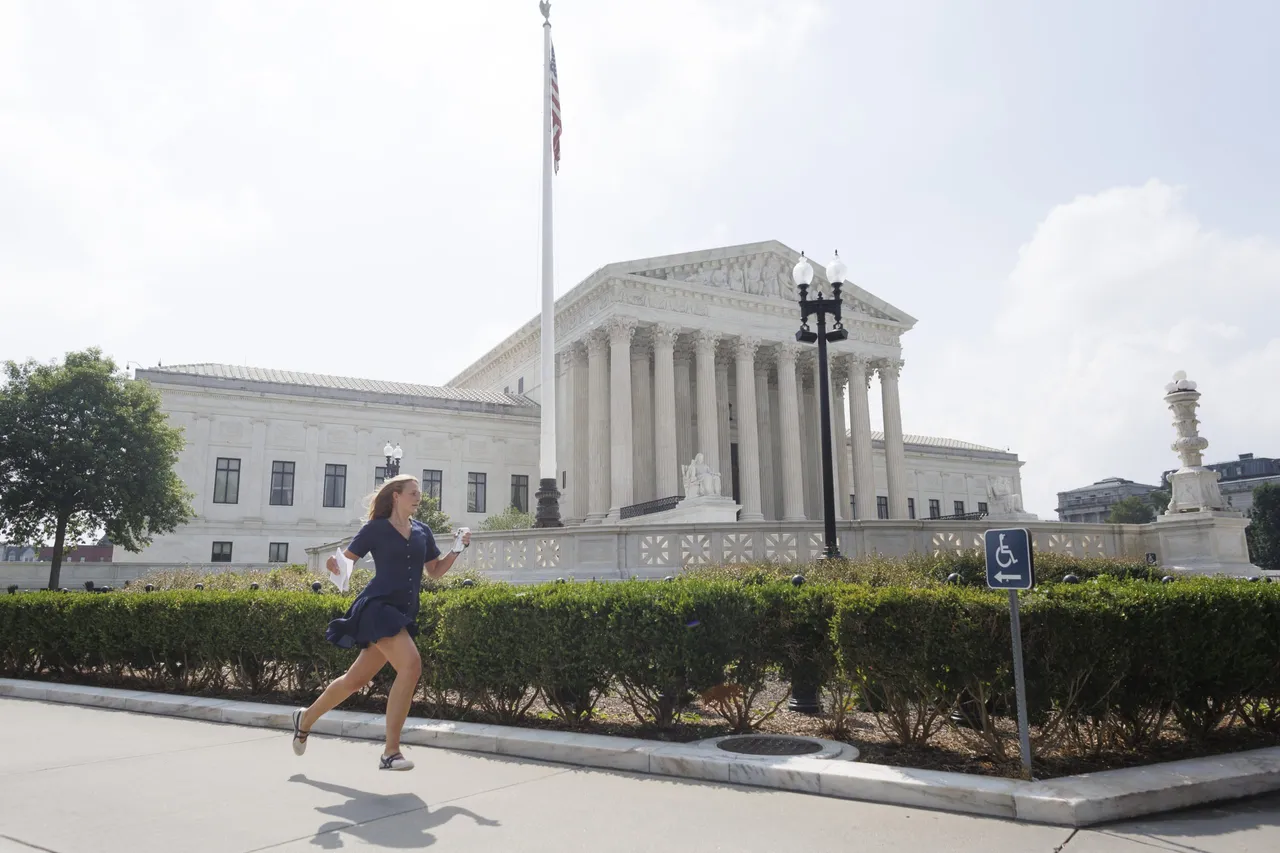
WASHINGTON, DC – JUNE 29: News reporters carrying printed justice opinion announcements sprint outside U.S. Supreme Court on June 29, 2026 in Washington, DC. Justices released several opinions before departing on traditional summer recess. (Photo by Tom Brenner/Getty Images)
The ruling marks a win for Republicans, who tend to rely on fundraising from bigger and more deep-pocketed donors who give to party committees rather than to candidates. It will intensify the surge of political ads heading into the 2026 midterm elections. Candidates will now effectively have more direct influence over how tens of millions of campaign funds originally donated to a party committee get spent.
Read more House Votes Down Rashida Tlaib’s Lebanon War Powers Resolution
Democrats, who tend to rely on smaller donors giving directly to a candidate, believe the decision to nix the law will give too much power to the wealthy donor class that drives Republican politics.
The case originated during Vice President J.D. Vance’s 2022 Senate campaign. Vance, two Republican Party committees, and former Congressman Steve Chabot argued that limits on coordinated spending were unconstitutional.
Since the landmark 2010 Citizens United v. FEC SCOTUS ruling, billions of dollars in dark money have flooded American elections. The decision paved the way for independent expenditure-only political action committees, known as super PACs, which enable wealthy individuals to donate immense amounts of money to support their chosen candidates or policy agendas behind a shroud of secrecy.
Read more House Skipping Town Early As SAVE America ACT Saga Continues To Rock Capitol Hill












Post Comment